

Stop Wasting Your Heat: Why Gold-Coated Reflectors Actually Matter
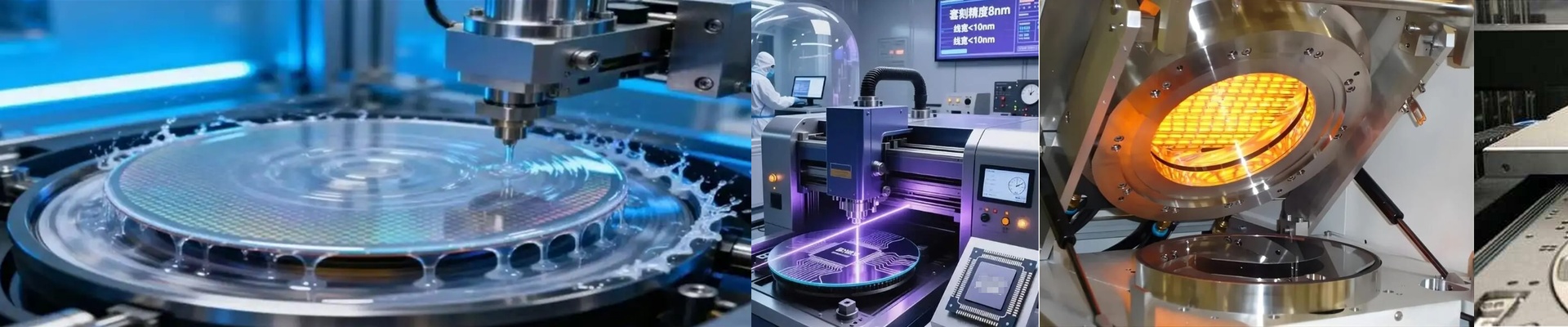
In semiconductor fab, heat is everything. But here’s the problem: standard IR lamps are messy. They throw energy everywhere. Without a proper reflector, you’re basically paying for power that just disappears into your machine’s chassis. It’s a waste. That’s why we use gold-coated reflectors. We aren’t doing it to make the machine look fancy. We do it to flip the script and push that IR spectrum exactly where it needs to go—straight onto the wafer. Why gold? Aluminum is the usual go-to, and it’s fine for some things. But for the long-wave and mid-wave IR that curing lamps spit out, gold is just better. It doesn’t soak up the heat; it bounces it back. The result is simple: more watts per square centimeter hitting your target. You get a harder hit with less effort. The tricky part: Heat and Power When you’re dealing with high-wattage lamps, you’re creating an incredible amount of heat density. We all want those rapid ramp-up times—nobody likes waiting—but that intensity is brutal on the quartz envelope. If your power supply isn’t perfectly dialed in to the lamp’s voltage, things go south quickly. You’ll end up with uneven heating or, worse, a burnt-out lamp. Plus, you’ve got to make sure your cooling manifolds are beefy enough to handle the heat that doesn’t hit the wafer. If you ignore that, the machine just cooks itself. Getting it into your line We made these as drop-in replacements because downtime is the enemy. To keep things consistent, we apply the gold using vacuum deposition. It ensures the coating is perfectly uniform across the whole shape. No “hot spots,” no warped wafers. Just a clean, steady heat. One heads-up, though: gold is a bit picky. If your fab has corrosive gases floating around, that coating can degrade. Once it starts to peel or pit, your efficiency drops. It’s worth doing a quick flux audit every now and then. Just check that your reflectors are still pulling their weight so you aren’t losing power without realizing it.