
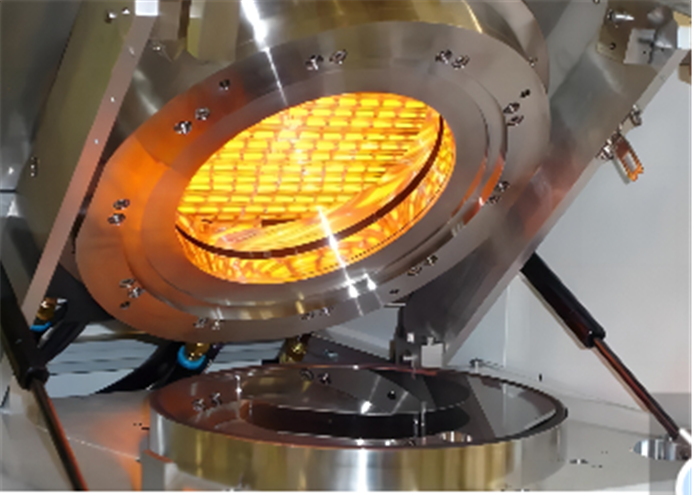
Getting Your IR Reflectors Right for Wafer Curing
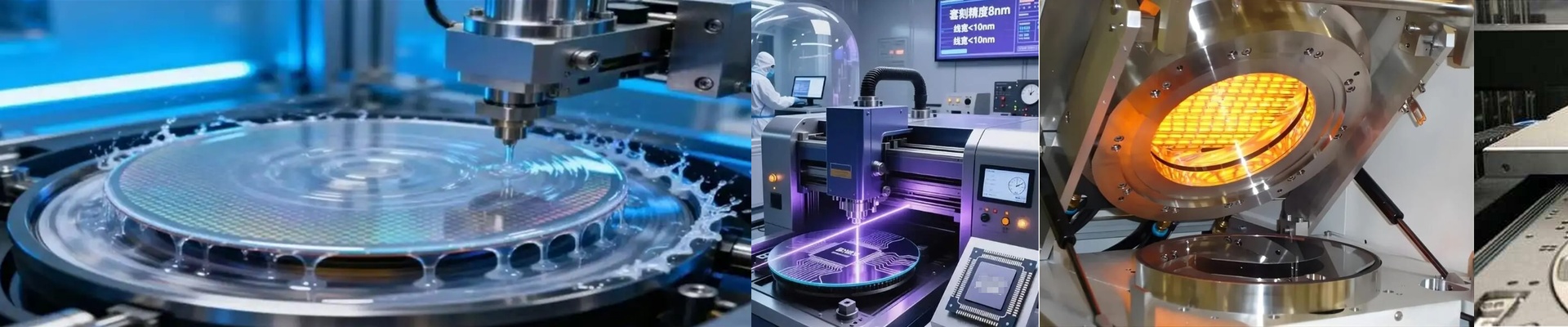
When you’re curing wafers, it’s all about balance. You need enough heat to keep things chemically stable, but if you go overboard, you’ll warp the substrate. It’s a tightrope walk. To get this right, we use infrared lamps paired with specialized reflectors to push that energy exactly where it needs to go. And look, everyone is talking about “Green Factories” and carbon neutrality these days. But really, it boils down to one thing: stop throwing heat at the machine chassis. It’s a waste of power.
Where the heat actually goes
Think about a curing lamp without a reflector. It throws energy in every direction—a full 360 degrees. That means half your power is gone before it even hits the target. That’s why we use high-purity aluminum or gold-coated reflectors. They act like a mirror, bouncing that wasted radiation back onto the wafer. When you tighten that beam, the heat density jumps. Here’s the best part: because the heat is more focused, you can actually turn down the lamp’s wattage and still hit your target temperature. Less power, lower carbon footprint. Simple.
Choosing your materials
For most standard jobs, anodized aluminum does the trick. But if you’re running a high-end semiconductor line, gold-plated is the way to go. Gold just handles the infrared spectrum better and won’t oxidize when things get scorching hot. It costs more, sure, but the reflectivity is on another level. One thing to watch out for: the curve. You have to match the parabolic curve of the reflector perfectly to the lamp’s focal point. If the lamp shifts by just a few millimeters, you’ll get hot spots. And hot spots are a nightmare—they’ll burn through a whole batch of wafers before you even realize what happened.
Keeping things running
When you’re wiring this all up, don’t forget about airflow. These systems are too good at concentrating heat. If the air around the lamp stays stagnant, the lamp itself can overheat. You’ve got to make sure the housing breathes. And please, keep them clean. Dust is the enemy here. A layer of grime on the reflector kills your efficiency, which forces the lamps to run hotter to make up for it. That just kills your tubes faster. A quick, regular cleaning cycle saves you a lot of money and headache in the long run.