
Replacement Filament for Fab Lamps: The Specs, the Science, and How It Holds Up
We built this replacement filament for the place it has to earn its keep: the fab floor. The kind of place where the lamp can’t get moody. It has to show up, day after day, and keep output steady without drifting. Here’s our stance: we’ll go head-to-head against the international brands—right in your fab, on your equipment. And we’re putting our name behind the numbers we pull from the real world.
Power, Voltage, and the Geometry That Actually Matters
A fab lamp isn’t just a heat source. It’s a controlled thermal tool. So we designed this filament around a specific electrical profile—so it behaves the same way, every time, once it’s installed. Match the voltage and wattage to the fixture, and you get repeatable ramp-up and stable temperature control. No guessing. No surprises. And the physical dimensions? They matter more than people think. The lamp has to fit the tool’s space and mounting hardware without putting stress on the socket or reflector. Tight length tolerance helps prevent premature failure from improper seating. Think of the spec sheet as a compatibility map. Follow it, and the lamp runs the way it was meant to.
What’s Inside: Halogen Chemistry, a Tough Envelope, and the Right Connector
Inside, halogen chemistry keeps the filament stable over time. It fights blackening and helps the lamp hold consistent output—even through repeated heating and cooling cycles. The quartz envelope and coating are chosen to handle high heat density and resist the harsh environment inside the fab tool. And the connector? It’s R7s—an established, two-contact interface that carries the current cleanly and installs quickly. Wire it up, lock it in, and the lamp sits in the reflector without wobble.
Built for the Line: Performance When Uptime Counts
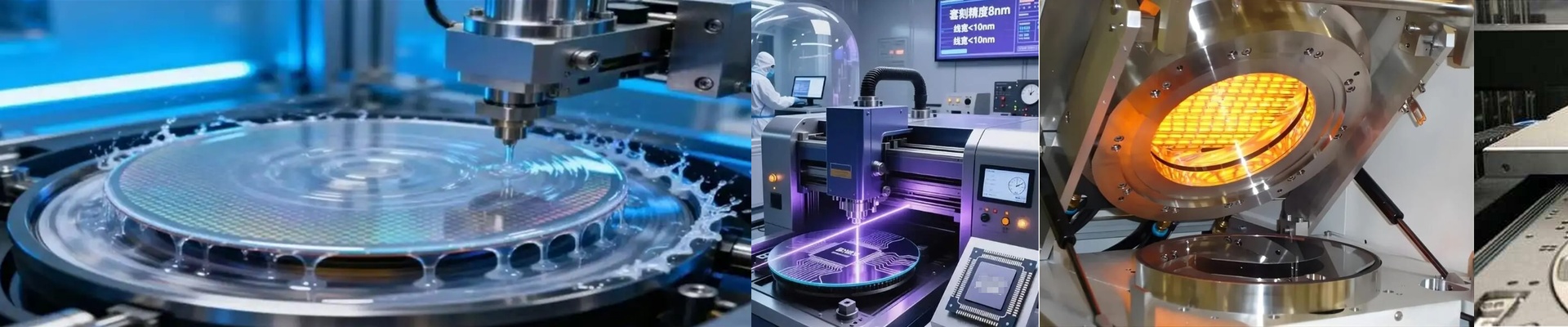
This setup is built for high-end wafer production lines, where downtime isn’t an option. You get fast heat-up and stable temperature control, which helps reduce process drift during long runs. There is a trade-off, though. High wattage gives you the heat density needed for fast stabilization, but it also raises ambient heat inside the tool. So make sure your cooling path—airflow, heat sinking, and thermal management—is up to the job.
Want proof? Let the run tell the story.
We’re ready to put this filament through a real PK test against the established brands. If you want to run the comparison, we’ll bring the filament, take the measurements, and let the data speak for itself.