

Why Your High-Ceiling Heaters Actually Die
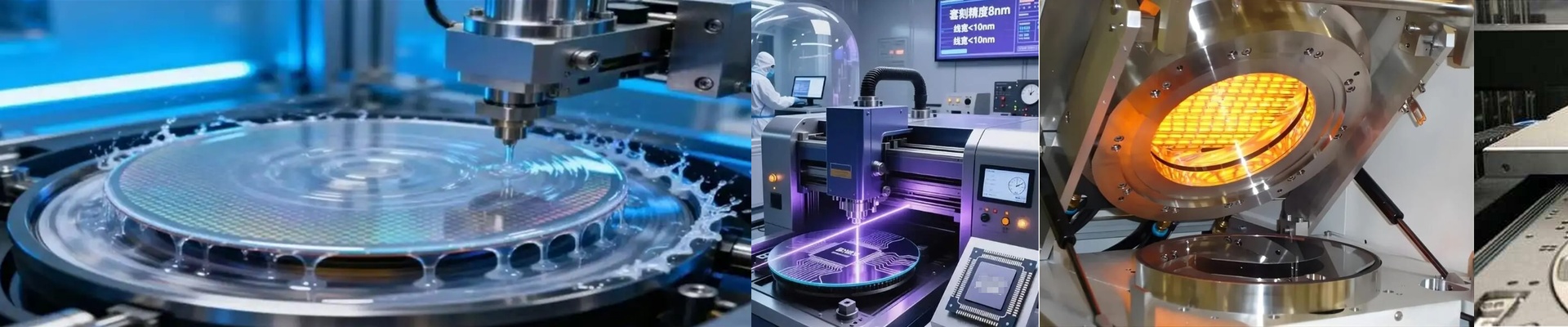
Here is a little secret about high-ceiling infrared heaters: it’s rarely the heating element itself that gives up. Usually, the element is fine. The real culprit? The lead-wire connection. In a warehouse or factory, these things are cranking out heat for thousands of hours. If the seal where the quartz tube meets the electrical wire isn’t perfect, you’re asking for trouble. Oxygen leaks in, and that’s when the oxidation starts. The slow burn of a bad seal I’ve seen it a hundred times with the cheap units. The sealant just… cracks. Once there’s a gap, moisture and air sneak in and hit that internal connection. The metal starts to corrode and the insulation gets brittle. Eventually, it just flakes away. And when that happens, you get a short circuit. Now, when you’re dealing with high-voltage gear mounted 30 feet in the air, a short isn’t just a nuisance. It’s a fire hazard. Doing it the right way A lot of standard assemblies use basic silicone or some low-temp glue. That stuff just can’t take the beating. We do things differently. We use OEM-grade vacuum sealing and ceramic-to-metal bonding. It creates a tight, hermetic seal that keeps the inside stable. It basically stops the wire from “breathing” every time the heater cycles on and off. We also use high-nickel alloys for the leads. Why? Because they expand and contract at the same rate as the glass. If you use materials that move differently, the seal just pops. Simple as that. The honest trade-off Look, this kind of sealing costs more upfront. It also means you can’t just “patch” a leak in the field; if the seal goes, you have to swap the whole element. But think about the alternative. Would you rather replace a lamp once every five years, or pay for a lift crew and a half-day of downtime every six months because a cheap wire shorted out? One last tip: make sure your wiring harness is rated for the same heat as the seal. Otherwise, your wires will melt long before the seal even has a chance to break.