
Why Infrared Curing is the Way to Go for Lead-Free Semis
Let’s be honest: solvent-based drying is out. If you’re trying to hit those “lead-free” and “eco-friendly” targets without slowing down your entire line, you’ve probably looked at infrared (IR) lamps. Specifically, the waterproof kind designed for rinse cycles.
How the heat actually works
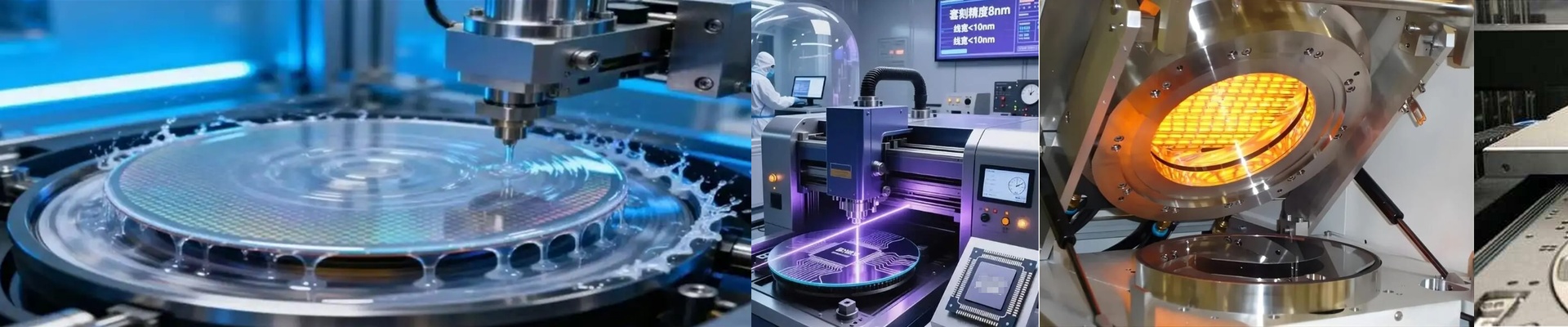
Here is the thing about short-wave IR: it doesn’t mess around with the air. Think about a convection oven. You have to heat up a massive box of air just to get the part warm. That’s a waste of power. IR is different. It uses radiation to hit the substrate directly. You’re heating the wafer, not the room. It’s leaner, faster, and honestly, it’s the cleanest way to handle lead-free curing.
Dealing with water and heat
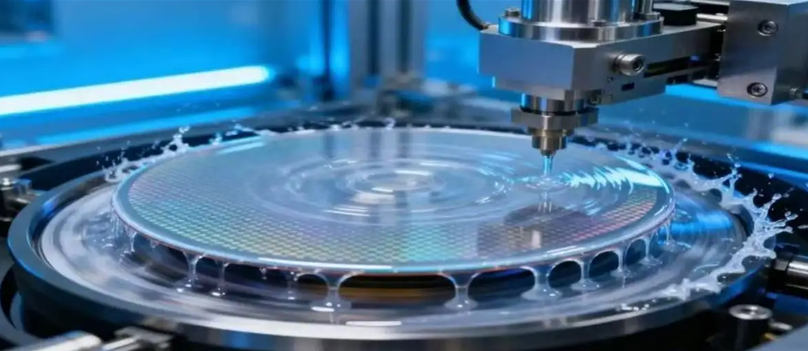
Rinse stages are messy. There’s moisture everywhere. If you put a standard lamp in there, it’ll short out or crack the second it hits a temperature spike. To stop that from happening, we wrap these lamps in specialized quartz envelopes and use moisture-resistant end-caps. It keeps the filament safe and keeps the lamps from burning out way too early. But a quick heads-up on wattage. High-density lamps cure things incredibly fast, but they generate a lot of heat. If you go with a high-wattage setup, just double-check that your cooling fans can actually keep up. You don’t want your housing overheating.
Making it work with lead-free standards
Lead-free solders and coatings can be finicky. If the temperature isn’t just right, you risk warping the board or frying the silicon. That’s where IR shines. You get millisecond response times. You can crank the heat up or drop it down instantly. No waiting around for a chamber to cool off. The best part? These are built to drop right into your existing rinse lines. No combustion gases, no weird chemical catalysts—just photons hitting the target. Your facility stays compliant, your air stays clean, and you don’t have to worry about lead. Simple as that.