
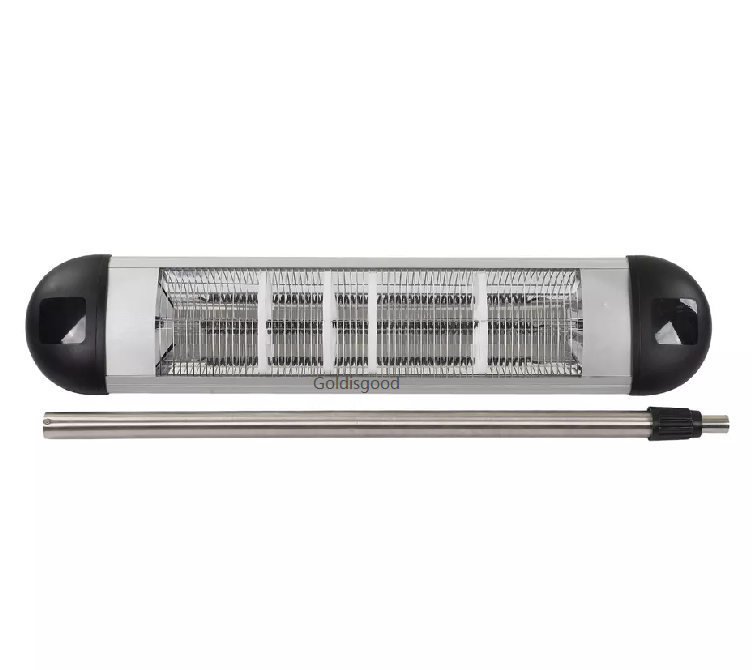
Say Goodbye to Bathroom Mold with Infrared Heat
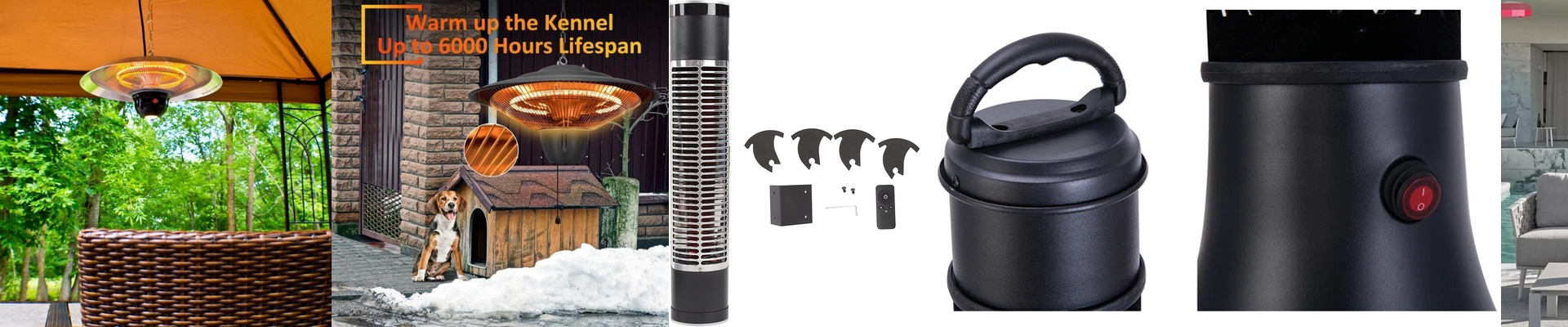
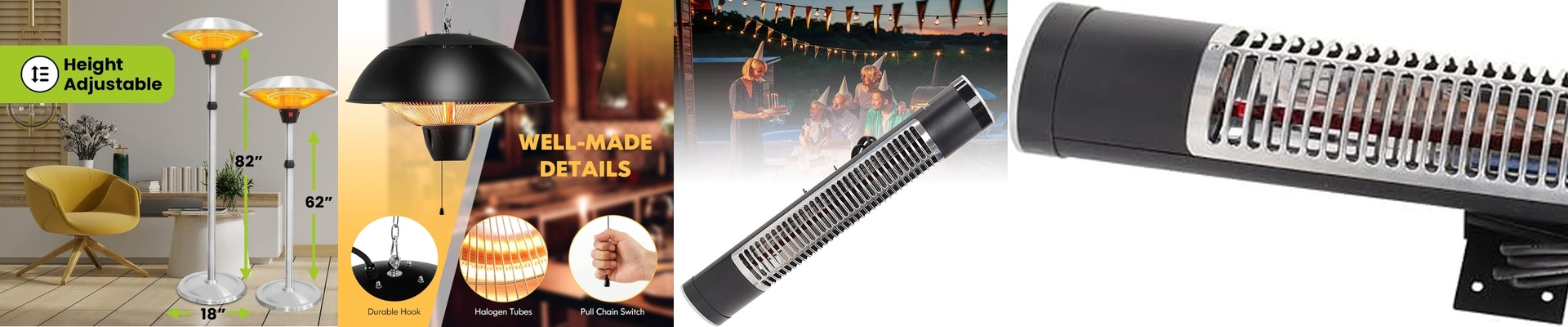
Most bathroom heaters just warm up the air. But if you’ve ever stepped out of a shower into a cold room, you know that doesn’t really solve the problem. We do things a bit differently. Our ceiling heaters use infrared tech to go after the moisture where it actually hides—on your walls and floors.
How it actually works
Think of a regular space heater like a warm blanket of air. Infrared is more like sunlight hitting your skin on a clear day. It doesn’t bother with the air; it goes straight for the solid stuff. We use shortwave infrared because it can actually sink into the surface of your walls. It gets those water molecules vibrating and pushes them to evaporate way faster than they would on their own. Here’s the secret: we’ve tuned these heaters to hit a specific frequency. It targets the porous spots—like your grout and sealant—which are basically luxury hotels for mold spores. By drying those spots out quickly, the mold never gets a chance to move in.
Keeping things dry
Mold needs a thin film of water to survive. Simple as that. Our heaters act like a backup dehumidifier. As the lamp warms up the room, it creates a natural flow that pushes the damp air up and out. You aren’t just waiting for the room to “feel” dry; the surfaces actually are dry. We use quartz envelopes for the lamps so the heat doesn’t get trapped inside the bulb. Everything goes straight into the room, making sure those damp corners hit a temperature where fungus just can’t grow.
A few things to keep in mind
Look, you can’t just toss these into any ceiling and call it a day. Since these lamps put out a lot of concentrated heat, you need to make sure they have plenty of breathing room away from anything that could catch fire. And a quick heads-up on the electrics: check your wiring. These units pull a decent amount of power when they first kick on. If your circuit is too weak, you’ll be tripping your breakers every time you want a warm bathroom. It takes a bit more juice than a basic electric coil, but the way it kills moisture is well worth the trade-off.