
Hot Plate Replacement Infrared Heater: A Spec-Driven Fix for Semiconductor Costs
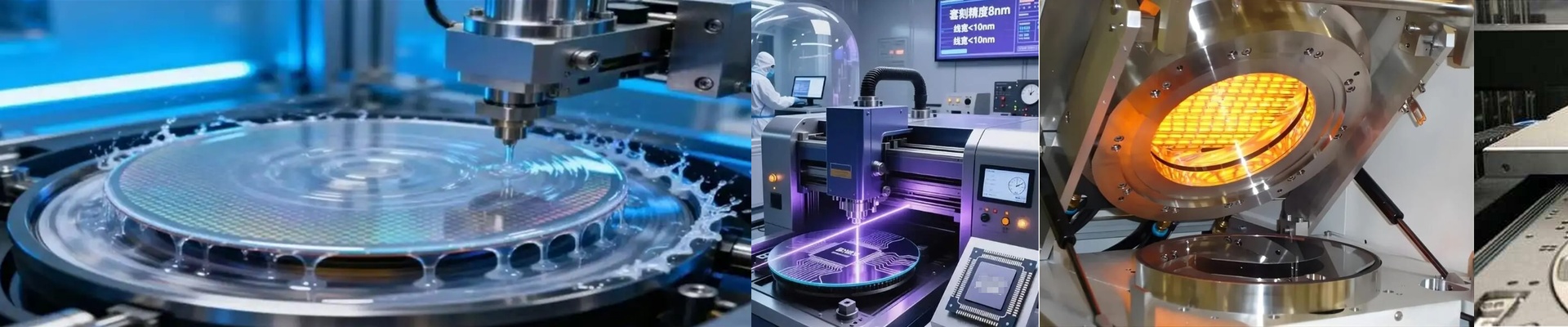
Let’s talk about semiconductor manufacturing. You know how hot plates get the job done, but they’re clunky, slow, and cost a fortune to keep running? We built an infrared heater that slides right in as a straight replacement. It’s faster, gives you tighter control, and cuts your operating costs—without forcing you to overhaul the whole line.
The Specs, Straight Up: Power, Voltage, and Size
We set this unit up as a 400V, 2500W infrared heating tube, and it’s 300mm long. That 400V rating? It keeps the current draw lower, which means less energy lost in the wiring and cooler operation inside tight equipment spaces. The 2500W output packs serious heat density into a small footprint, so you can swap out a bulky hot plate for a compact lamp assembly. And the 300mm length is a standard industrial size, so it fits right where space is tight. Just a heads-up, though: that power density means your machine’s cooling and thermal management need to be up to the task. Otherwise, you risk overheating nearby optics or control electronics.
The Build: Halogen, Coating, and a Solid Connection
Inside, we use halogen technology in a quartz tube. It heats up fast and stays steady, even through repeated heating and cooling cycles. We added a reflective coating on the quartz to push more energy forward, so more heat lands on the target and less is wasted. For installation, the R7s connector gives you a standard, secure connection that holds up to shop-floor vibration. And the whole thing is designed as a true drop-in replacement. No custom brackets. No rewiring plan. Just swap it in.
What It Does for You: Less Downtime, More Uptime
If you’re trying to slim down costs in semiconductor operations, this infrared heater hits the pain points: long warm-ups, uneven temperatures, and too much maintenance. The lamp gets to operating temperature quickly, follows precise thermal profiles, and keeps your process window consistent. Because it’s built as a direct replacement, swap-out time drops, and your throughput stays steady. And when you combine that with a factory-direct supply model, you get high-end performance without the premium price tag. The payoff shows up in lower energy use, fewer maintenance headaches, and faster changeovers.