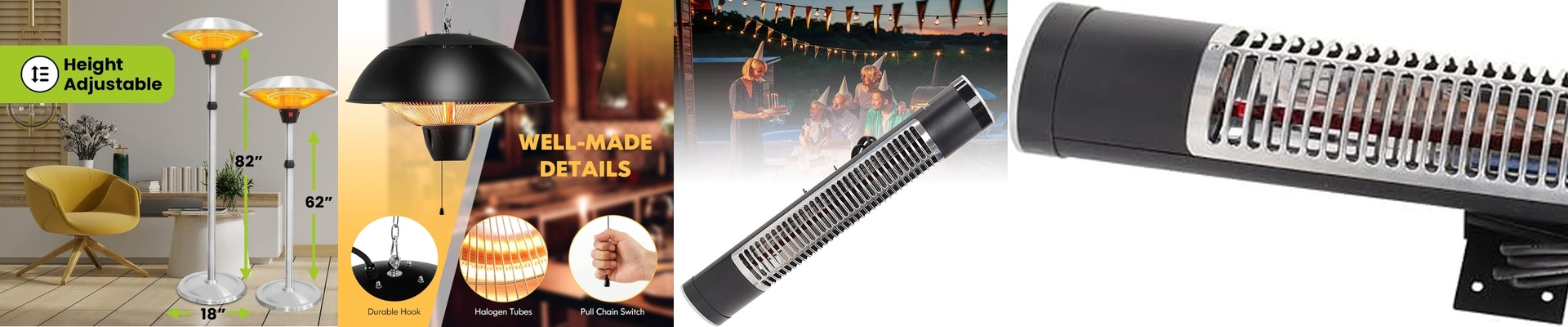
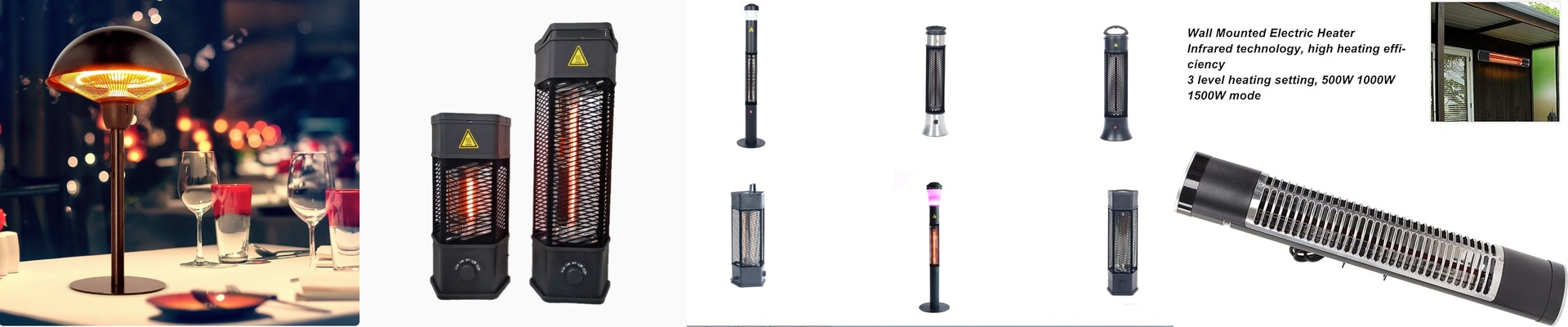

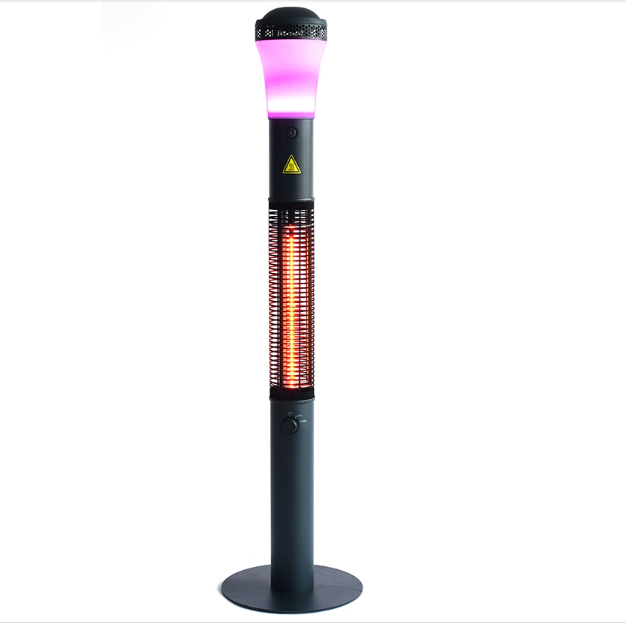
Keeping Your Bathroom Heater from Shorting Out
Putting infrared lamps in a bathroom is basically a fight against steam. Water and electricity don’t get along. If your housing isn’t sealed tight, you’re looking at short circuits or ground faults—and nobody wants that in a shower. To get this right, we lean heavily on the IP65 rating and a solid physical barrier to keep the wet stuff away from the live wires.
What IP65 Actually Does
When you see “IP65,” it just means the heater is dust-tight and can handle water jets hitting it from any direction. We make that happen with high-temp silicone gaskets and sealed cable glands. Think of it as a raincoat for your electronics. These seals stop steam from sneaking into the internal wiring. Without them, you get “tracking,” which is just a fancy way of saying electricity is leaking across your insulators. Seal it right, and that risk disappears.
The Nitty-Gritty on Insulation
We use double-insulated cables and reinforced polymer housings. The goal? Make sure the outer shell never becomes live. Here’s the catch: infrared lamps get incredibly hot. Cheap plastic will just melt or degrade, which is dangerous. We use materials that keep their strength even when they’re baking. Also, make sure your grounding wire is bonded directly to the building’s earth. That way, if something does fail, the breaker trips immediately instead of turning your light fixture into a shock hazard.
The Trade-off: Heat vs. Air
Tight seals are great for safety, but they’re a bit of a double-edged sword. Because an IP65 box blocks airflow, the heat builds up inside much faster than it would in an open heater. This is where you have to be careful with your thermal cut-offs. If you cram a high-wattage lamp into a tiny sealed box, you’ll keep tripping the thermal fuse. It’s annoying. To avoid those “nuisance trips,” just make sure your heat output matches the size of the enclosure. Balance is everything.