
Stop the Shards: Keeping Your Gloveboxes Clean
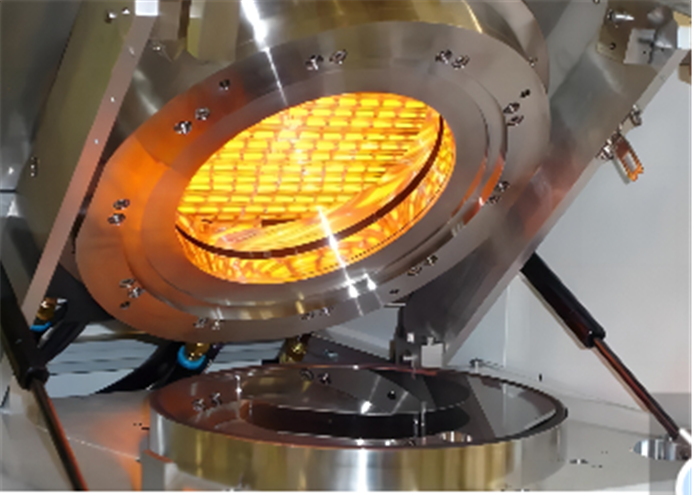
If you’re running high-load semiconductor production, you know the nightmare scenario. An infrared lamp pops. Just like that, you’ve got glass shards and tungsten filaments raining down on your wafers. It’s not just about the downtime. It’s a total contamination disaster. That’s exactly why we build our IR elements the way we do. Dealing with the heat Most lamps fail because they can’t handle the thermal shock or they develop a nasty hotspot. To stop that, we use high-purity synthetic quartz. It doesn’t expand or contract wildly, so it can handle rapid power cycling without just cracking under pressure. Then there’s the “pop.” That usually happens when a tungsten filament sags, touches the tube wall, and blows the whole thing. We fix this by obsessing over the winding tension. We keep a precise center-gap so the heat stays even across the whole tube. No sags, no pops. Keeping the mess contained We take a two-step approach to keep your workspace clean. First, we treat the quartz with a special coating. This stabilizes the emission and keeps the surface from pitting. Then, we add reinforced end-caps. These are huge because they keep the halogen gas seal from giving out. Even if a tube does fail—which we try our hardest to prevent—those end-caps help keep the debris from spraying all over your production floor. It turns a catastrophe into a manageable cleanup. The reality check Look, there’s always a trade-off. These high-density elements put out an incredible amount of heat. If you aren’t careful, they can actually warp your glovebox fixtures. You’ve got to make sure your airflow and cooling jackets can actually handle the wattage you’re pumping in. If you skimp on the cooling, your lamp seals will age way faster than they should. My best advice? Stick to a strict maintenance schedule. Check for electrode oxidation before the element burns out. It’s a lot easier to swap a part than it is to scrub glass out of a glovebox.