
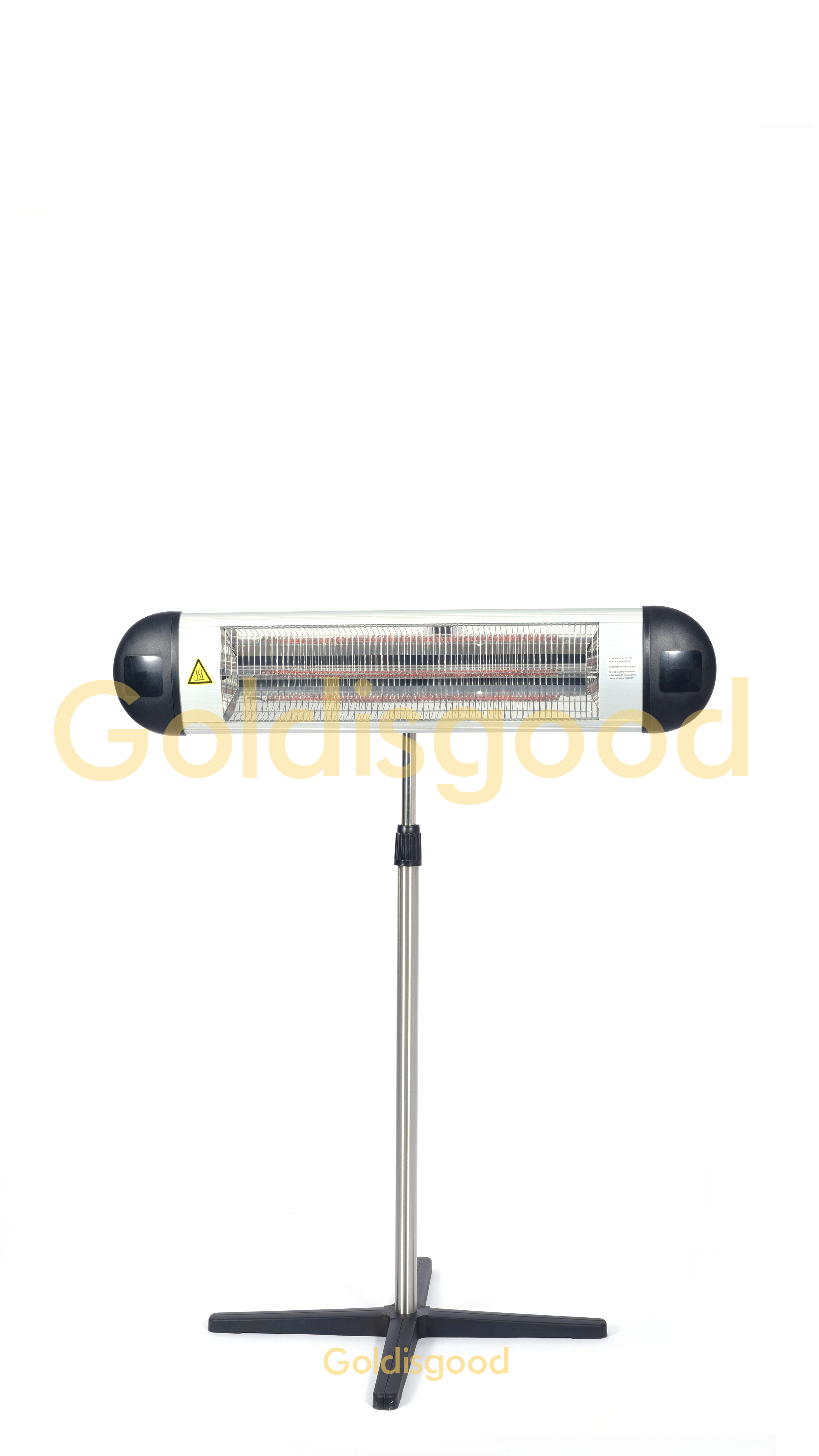
Getting the Heat Right in Your Bathroom
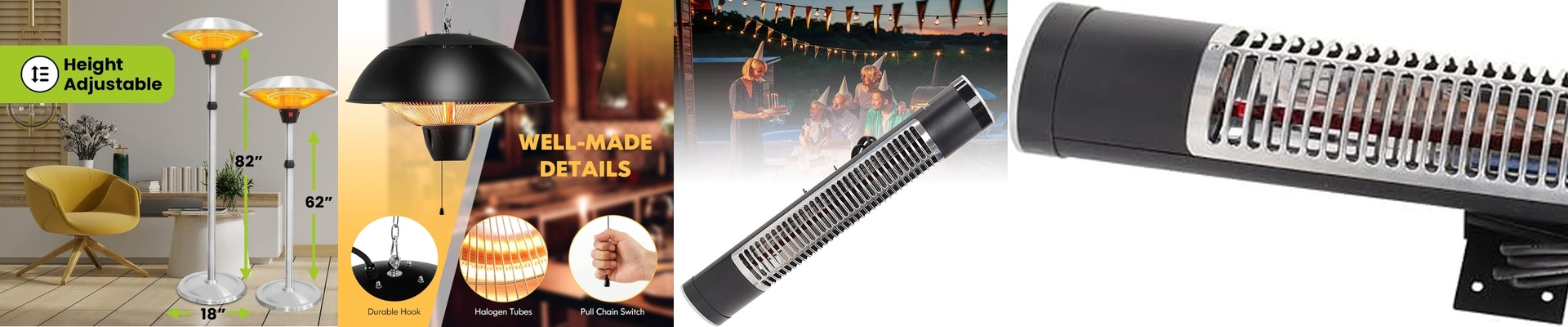
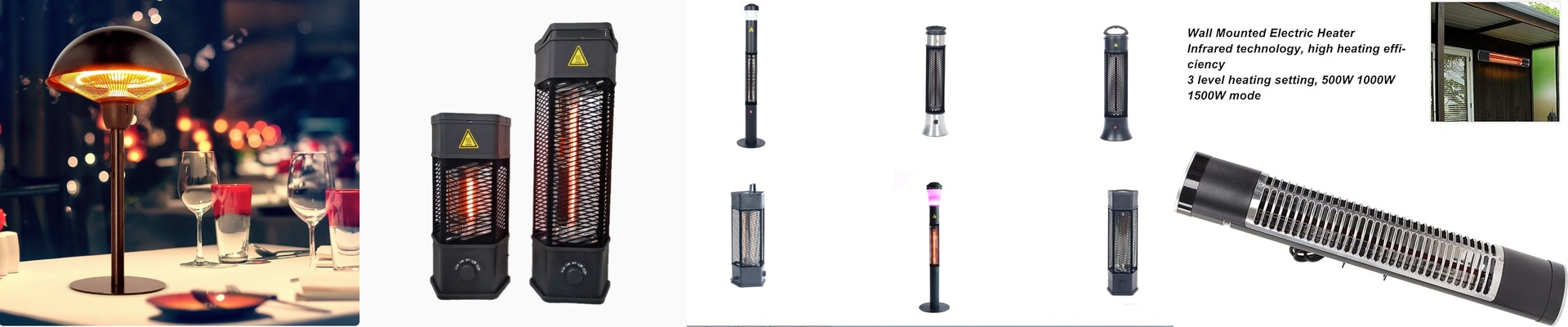
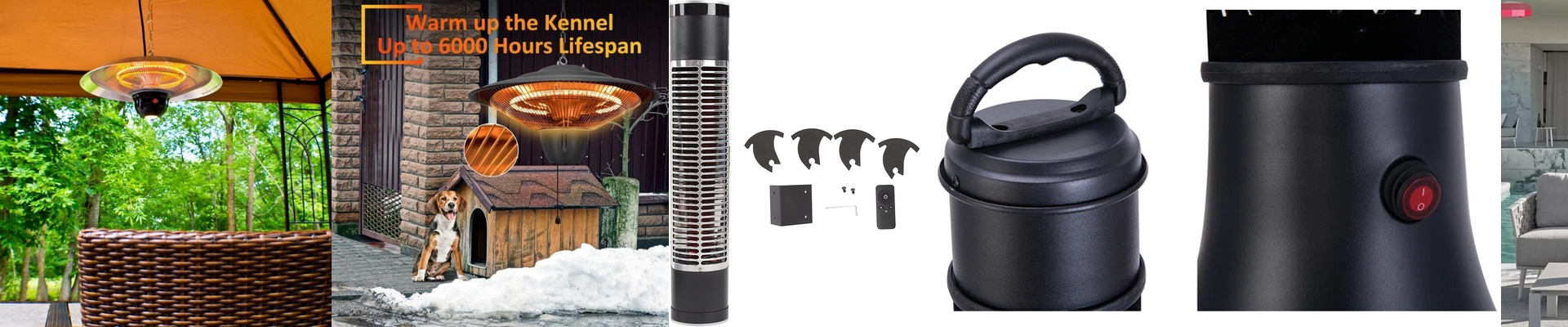
Let’s be honest: there is nothing worse than stepping out of a hot shower into a freezing bathroom. It’s a shock to the system. That’s where infrared heaters come in. But you can’t just grab the biggest one on the shelf and hope for the best. Since infrared heat hits you and your towels directly—instead of just trying to warm up the air—picking the right wattage is everything. Get it wrong, and you’re either shivering or feeling like you’re standing inside a toaster. Finding your sweet spot If you’ve got a tiny bathroom (under 4m²), keep it simple. A 400W to 600W unit is plenty. Any more than that in a cramped space and you’ll just be wasting electricity and overheating the room. For those mid-sized bathrooms (4m² to 8m²), you’re looking at 800W to 1200W. Now, if you have a massive luxury suite or those fancy high ceilings, you’ll need 1500W. Or, better yet, a couple of smaller units spread out. That way, you don’t end up with “cold spots” where you’re warm in one corner but freezing in the other. Why the “IP65” thing actually matters You’ll see “IP65” on the box. It sounds like technical gibberish, but it’s basically the difference between a heater that lasts and one that pops your circuit breaker. Bathrooms are brutal on electronics. Steam, splashes, humidity—it’s a recipe for disaster. IP65 means the unit is sealed tight against dust and water jets. We use heavy-duty gaskets and casings that won’t rust, keeping the moisture far away from the wiring. Without that seal, you’re just waiting for a short circuit to ruin your morning. Comfort without the crazy electric bill Higher wattage means you feel the heat the second you flip the switch. It’s instant. But there’s a catch. If you put a 2000W beast in a small bathroom, it’s going to feel oppressive. Plus, if your home has older wiring, you might just overload the circuit. If you want to save some cash on your power bill, try a timer or a motion sensor. There’s no point in heating an empty room. One last tip: make sure nothing is blocking the heater. Infrared travels in a straight line. If a cabinet or a curtain is in the way, the heat can’t reach you. You’ll end up leaving the heater on longer, and your wallet will feel it.