
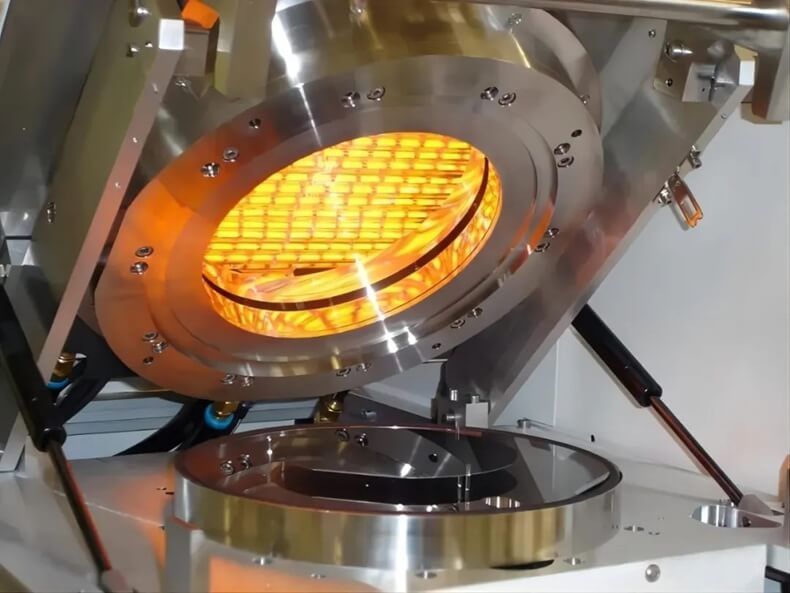
Cutting Carbon in the Fab: Why Gold-Coated IR Actually Works
If you’ve ever worked in a semiconductor fab, you know the struggle with temperature ramps. Get it wrong, and your wafers warp. It’s a nightmare. Most of us grew up using those old resistive ovens, but let’s be honest—they’re basically giant space heaters that waste a ton of energy. We found a better way.
The secret is in the gold
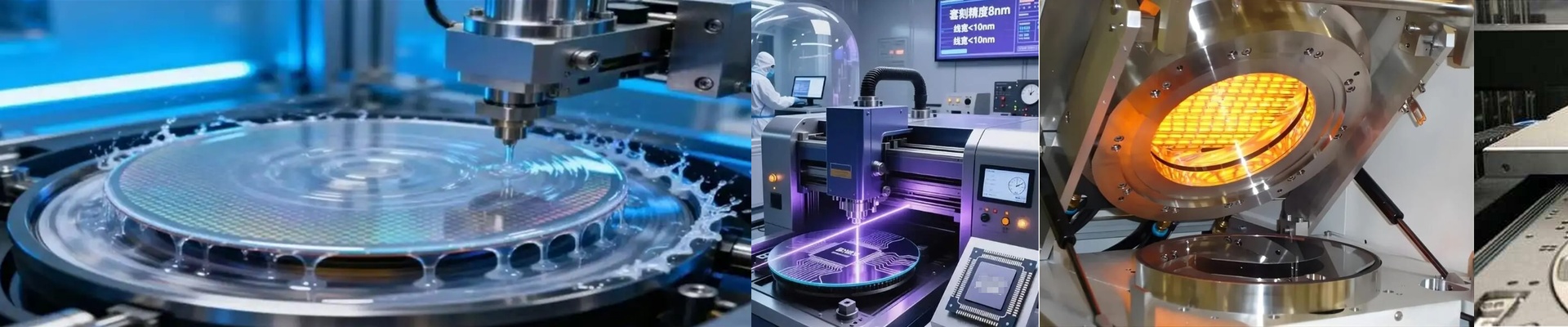
Here is how it works: we take quartz tubes and coat the inside with gold. Why gold? Because it acts like a mirror. Instead of the heat bleeding out into the machine chassis and warming up the entire room, the gold pushes all that infrared radiation straight toward the wafer. You get a concentrated beam of heat exactly where you need it. Then, we use a twin tube design. By doubling up the heating elements in the same amount of space, we can crank up the wattage without needing longer lamps. It’s fast. Really fast. Your process stabilizes in a fraction of the time.
A few things to watch out for
Now, this isn’t just “plug and play.” Since these lamps pack so much power into a small area, your power supplies need to be ready for that initial surge. And because they get hot—and we mean really hot—you can’t skimp on the cooling fans. If the airflow isn’t right, you’ll fry your sockets or burn out the lamp ends. It’s a powerful tool, but you have to treat it with respect.
Actually hitting those “Green” goals
We talk a lot about carbon neutrality, but it’s hard to do in a fab. The biggest win here is killing the “warm-up” time. Instead of keeping a massive chamber scorching hot 24/7 just in case a wafer shows up, you trigger the heat the moment the wafer enters. It’s a simple shift from bulk heating to targeted radiation. You use fewer kWh per wafer, your electricity bill drops, and your carbon footprint shrinks. All that, and you don’t have to slow down your production line to do it.