
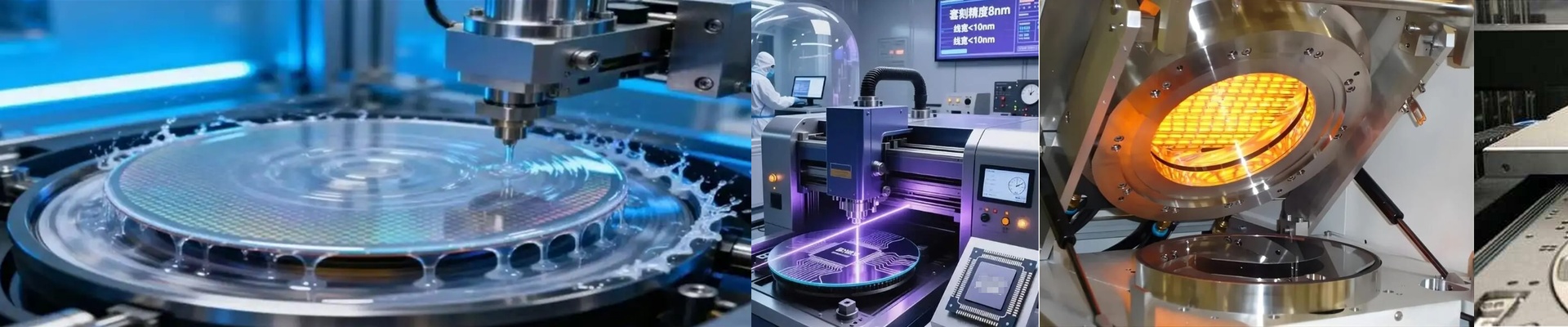
In the fab, that photoresist bake isn’t a suggestion—it’s your thermal budget. A 2°C swing in soft bake or hard bake can drift critical dimensions, leave scum, and turn a lot into scrap. The quartz heater tube is what keeps that budget honest, shift after shift.
What matters under the hood
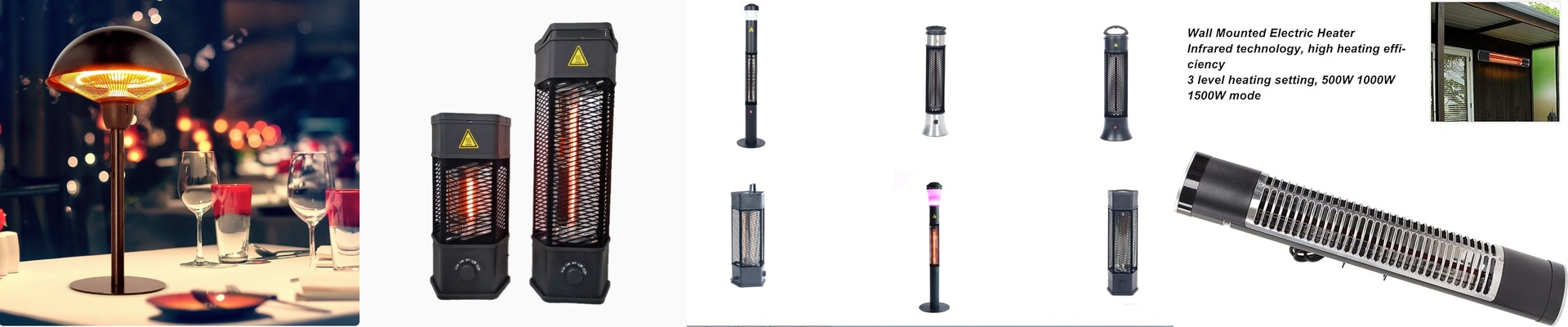
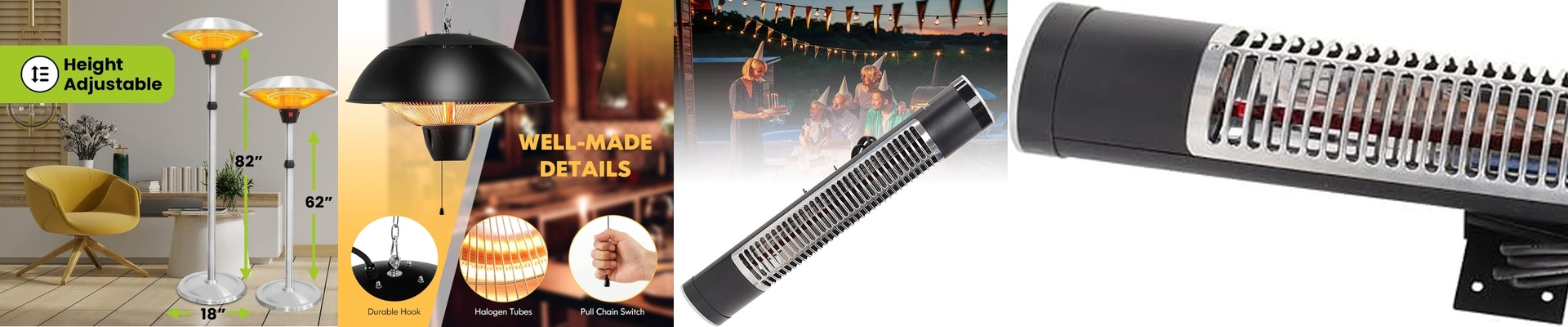
We build these quartz heater tubes to live in the thermal grind of fab ovens—fast response, stable output, even when the door keeps opening and closing. Short-wave infrared puts the heat right where it needs to be: in the process zone. Less thermal inertia means more repeatable bakes. Across the active length, wafer-level uniformity holds ±0.1°C, so every batch sees the same profile. The quartz body is engineered to generate zero particles, keeping you inside cleanroom Class 1–100 spec. Out in the field, these units run 5,000+ hours at high duty cycles and still hold tight output tolerance.
Why this plays in lithography
On the litho line, photoresist bake has to be consistent at 2 a.m. the same as 2 p.m. These tubes settle oven temperature fast, cutting warm-up and recovery time—without sacrificing precision for speed. That translates into more lots per day, fewer reworks, and less scrap. You also save energy because the heater hits setpoint quickly and holds it with minimal swing. When soft bake and hard bake are repeatable across wafers, lots, and tools, the process window opens up.
The practical details
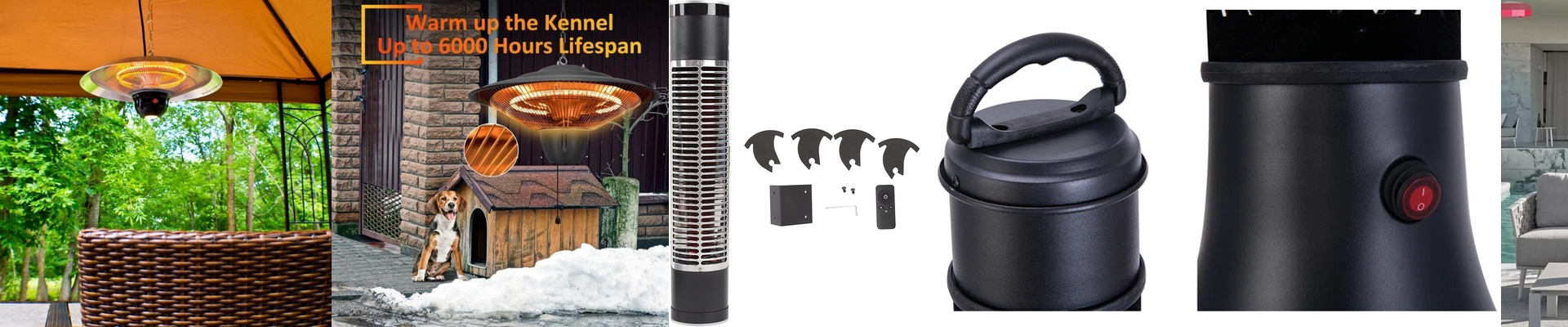
Installation is straightforward, but you need to match the oven interface. Confirm mounting bracket spacing, terminal block type, and the controller’s thermocouple type and PID limits. Treat the quartz element like the delicate part it is—no contact, and keep everything clean. Plan for thermal expansion and airflow direction so you don’t cook a hot spot into the profile. Running in a dry, filtered gas environment extends life, especially in high-humidity fabs.