
Why the right IR lamp quietly boosts your bottom line on the assembly floor
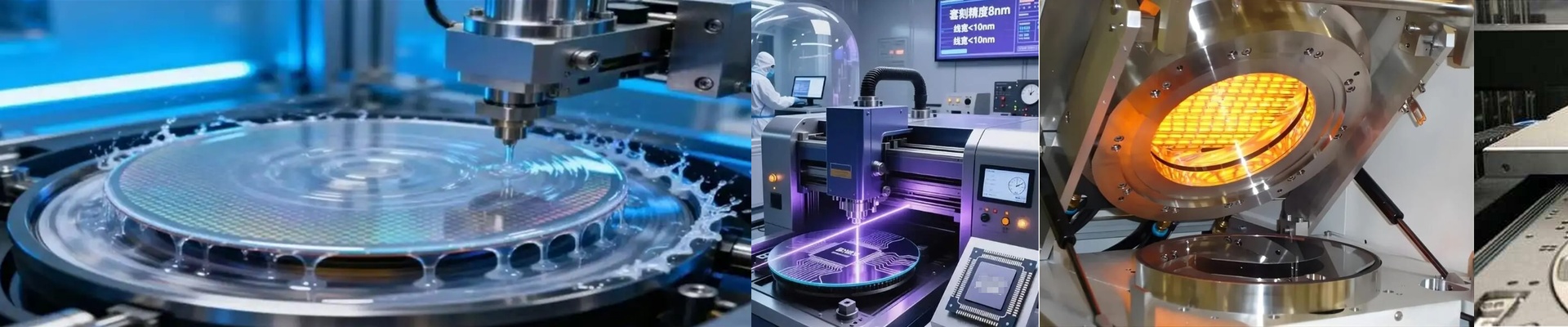
We build wafer drying lamps for one place: the high-volume assembly and test floor. Plain and simple. The whole point? Help you push more units through—without blowing up your overhead. And when we say “foundry-grade,” we’re not sprinkling buzzwords around. We mean repeatability. The kind you can count on when your line never really stops.
Power, voltage, size: the practical stuff that matters
These are high-density infrared emitters, built for fast, focused heat. We run them at 400V because it delivers power across longer runs with less current. That means less loss in the wiring and a setup that stays manageable. The tube is 300mm, and the footprint is tight. So you get precise thermal zoning—heat where you need it, without turning the whole tool into a sauna. Result? Temperatures recover quickly, setpoints stay steady, and you stop wasting energy.
Built to take the heat—day after day
Inside, you’ve got a halogen-filled quartz envelope that handles rapid heating and cooling without cracking. The filament is positioned to spread radiant output evenly. And the quartz body shrugs off thermal shock when the lamp cycles on and off, again and again. An IR-optimized coating nudges the output spectrum toward what wafer substrates absorb best, so the heat actually does more work. And the connector? R7s bi-pin. It’s a standard, proven choice. Easy to wire. Easy to swap out. And tough enough for a busy floor.
Wafer drying: speed, stability, uptime
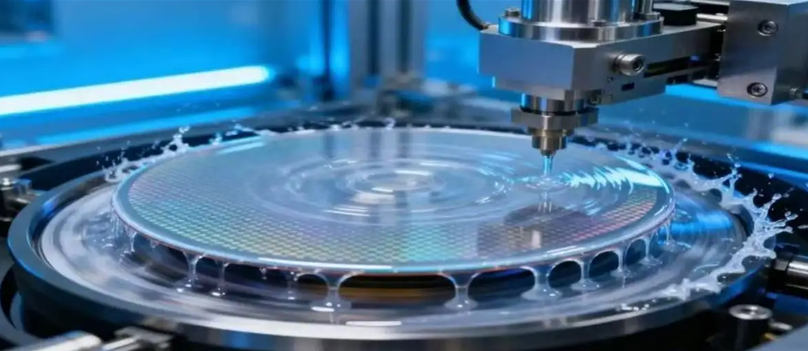
On the wafer drying line, the lamp has to hit high heat density fast—then hold steady. Our design does exactly that, and it slips right in as a drop-in replacement for existing ovens and dryers. The payoff is the kind you feel: more uptime, fewer interruptions, and a lower cost per unit. There is one trade-off, though. At 400V with high wattage density, the surrounding tool needs proper cooling. Spec cooling and thermal isolation the right way, and you get a process that stays stable—fewer rejects, fewer maintenance stops, and less headache when the pressure is on.