
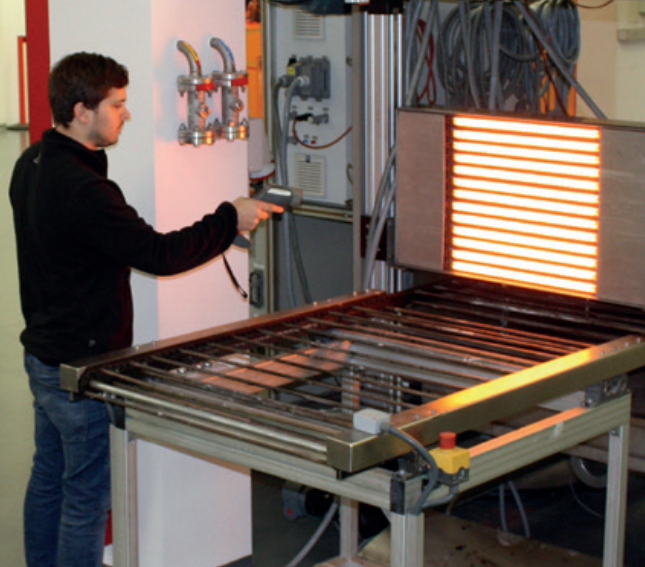
Stop Heating Your Machine and Start Heating Your Wafer
Most infrared lamps are a bit chaotic. They throw heat in every single direction—a full 360 degrees. When you’re working with tight semiconductor equipment, that’s a problem. A huge chunk of that energy never even touches the wafer. Instead, it slams into the inner walls of the machine. The result? A chassis that’s hot enough to burn an operator’s hand and cooling fans that have to work overtime just to keep things from melting. It’s wasteful.
Getting the heat where it actually belongs
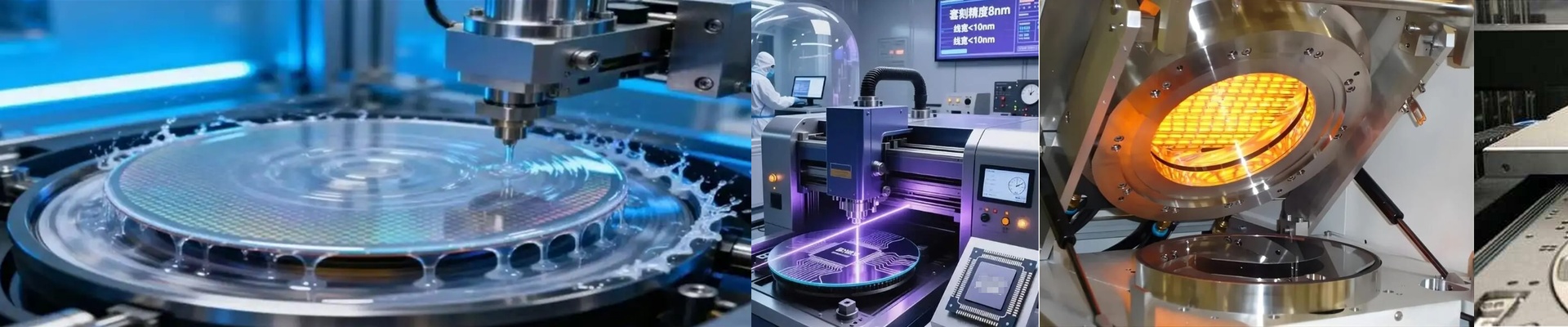
We handle this with ozone-free infrared tech. By using specific quartz coatings and reflectors, we basically “corral” the radiation into a tight, directional beam. It keeps the heat locked on the target. You stop wasting energy heating up the air and the metal frame of your tool. And about the ozone—that’s a non-negotiable. Standard short-wave lamps create ozone, which is a nightmare for sensitive semiconductor surfaces and eats away at your seals. Our tubes kill that chemical byproduct before it even starts.
The trade-offs (and how to handle them)
Here’s the thing: when you focus all that heat into one spot, the density spikes. While your machine walls will stay cool, the target area is going to feel a lot more intensity. You’ll want to double-check your PID controllers. If you don’t calibrate them, you might overshoot your target temperature. Also, if you’re retrofitting an old system, take a look at your footprint. These high-density lamps are powerful. Make sure your mounting brackets aren’t made of something that’ll warp the moment the beam hits it.
A better day for your operators
Switching to directional heating pretty much kills the “hot wall” problem. Your team can actually work closer to the equipment without worrying about contact burns from the outer casing. Plus, the inside of the tool stays cooler overall. That’s a win for your other electronic components, which no longer have to bake in a sauna just to get the job done.