
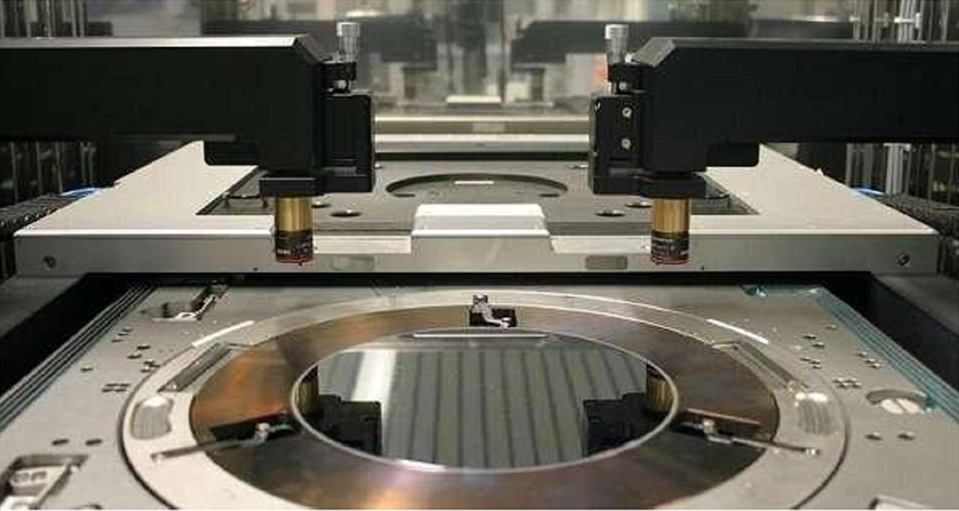
Getting Your Temperature Right in Bio-sensor Fabrication
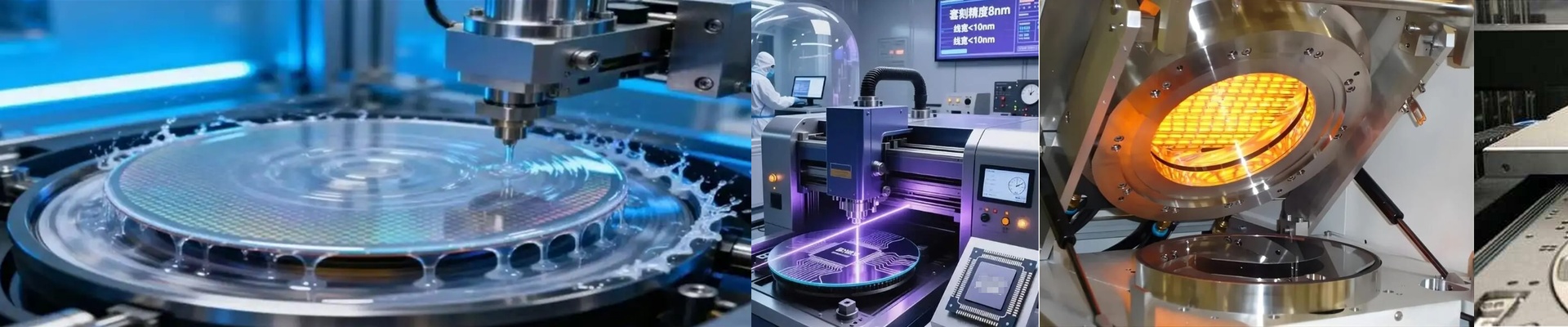
If you’ve ever worked with bio-sensors, you know how nerve-wracking the curing and deposition phase is. The window for success is tiny. A swing of just a few degrees? That’s it. Your whole batch is trash. That’s why we lean on infrared (IR) systems. Unlike those clunky convection ovens that take forever to warm up or cool down, IR gives you direct radiant energy. No lag. No waiting. Just heat where you need it, right now.
The Secret to Consistent Heat
In a modern Fab, we usually go with short-wave and medium-wave IR lamps. Why? Because they punch through the substrate much faster. We pair these lamps with PLC-driven PID controllers. It sounds technical, but basically, it just means you can see the heat flux in real-time and tweak the power on the fly based on what the sensors are telling you. If you want your production to be repeatable—and not just a lucky guess—this is the only way to do it.
The Gear You Actually Need
We build our lamps to handle some serious power. When you’re digitizing your Fab, you need equipment that can ramp up and down in a heartbeat. To keep the lamps from burning out during those rapid cycles, we use quartz envelopes and very specific filament alloys. They’re built to take the abuse. One heads-up: check your power distribution before you buy. High-wattage IR arrays pull a lot of current. If your electrical setup is a bit tight, we can swap in higher voltage tubes to keep the amperage down. Just make sure your wiring can handle the heat buildup near the housing, or you’re asking for trouble.
The Trade-offs (The Stuff Nobody Tells You)
Fast heating is great, but it’s not magic. It comes with a few catches. Because these lamps are so intense, you can get nasty hotspots if the distance between the emitter and your substrate isn’t dialed in perfectly. You can’t just toss these into any old machine and hope for the best. You’ll need a precision mounting bracket and a solid cooling system for the ends of the lamps. If you don’t, your sockets will literally melt under a continuous load. Do yourself a favor: get your thermal mapping sorted before you try to scale up to full production. It’ll save you a lot of headaches later.