
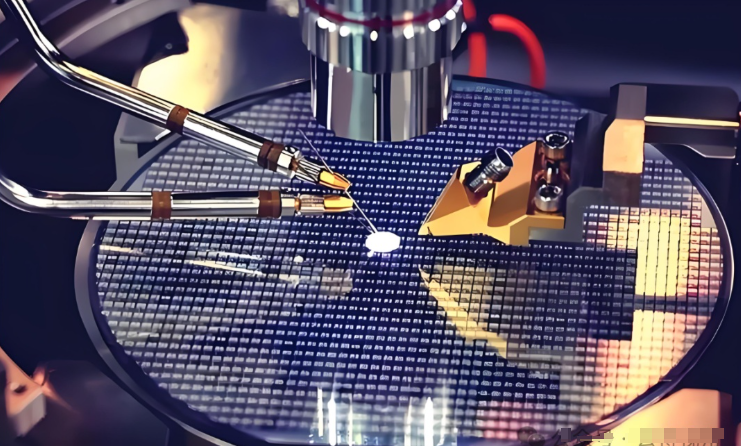
Getting Heat Right in a Class 100 Cleanroom (Without the Mess)
When you’re working in a Class 100 cleanroom, the last thing you need is your heating element deciding to shed particles all over your project. It happens more than people admit. Standard heaters tend to flake or outgas as they heat up and cool down. It’s a nightmare for anyone trying to keep a workspace pristine. We figured out a way around this by using high-purity fused silica quartz for our infrared lamps.
Why this actually works
The secret is keeping the contamination away before it even starts. We use quartz envelopes that have been stripped of those tiny metallic impurities. Without those impurities, you don’t get that premature burnout or the surface degradation that usually leads to debris. And here’s the best part: since we’re using infrared radiation instead of convection, we aren’t pushing air around. No air movement means no dust migrating toward your workpiece. It just stays put.
The nitty-gritty on the build
To make these last, we use a halogen-filled cycle for the filament. We also seal everything using high-vacuum techniques, so you don’t have to worry about leaks. For the leads, we usually go with gold-plated or high-grade stainless steel. Why? Because oxidation at the connection point is usually where the particle shedding begins. By using these materials, we cut that risk way down. Wiring them in is simple. They fit right into standard R7s or Sk15 sockets. They snap in tight, so they won’t wiggle loose if your equipment vibrates, which means you don’t have to worry about electrical arcing.
A few things to keep in mind
These lamps put out a lot of heat. A lot. You’ll love how fast they ramp up, but you’ve got to make sure your cooling fans or heat sinks are up to the task. If your bench housing isn’t vented properly, the heat will just build up and could actually warp your fixtures. We designed these to be a drop-in replacement for your existing benches. You get a steady thermal profile without risking your wafers or optical components. One quick tip:**keep the quartz tubes clean.**If you leave fingerprints on the glass, those oils will bake in. That creates a hot spot, and a hot spot is a great way to crack your tube. Just a quick wipe, and you’re good to go.