
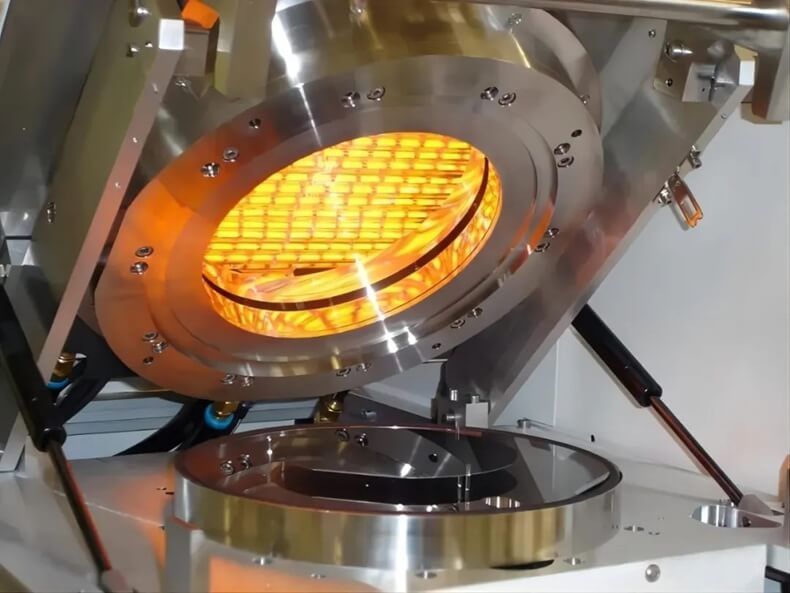
Why Gold-Coated Reflectors Actually Matter for Your IR Setup
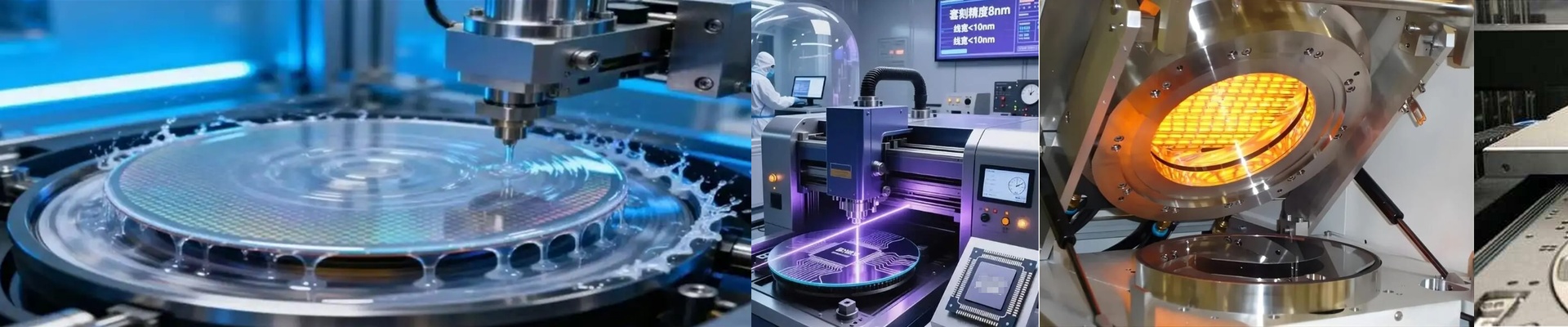
When you’re heating silicon wafers, every single watt is a battle. Most people start with standard aluminum reflectors. They’re fine for basic jobs, but the problem is they bleed energy. It’s like trying to keep a room warm with a window cracked open—you’re losing heat where you can’t see it. That’s why we use gold-coated aluminum. It stops the leak and shoves that infrared radiation right back onto the wafer where it belongs. The science is pretty simple. Aluminum does a decent job, but gold is just better at handling the infrared spectrum. By adding a thin layer of gold, we make sure the energy firing off the back of the lamp doesn’t just soak into the reflector body. Instead, it focuses the heat flux. You get a much tighter thermal profile and you stop wasting power heating up the frame of your machine. A few things to keep in mind on the build. We use high-grade aluminum for the base so the whole thing stays light and doesn’t overheat. To make sure the gold doesn’t just flake off after a few heat cycles, we apply it using vacuum deposition. It stays put. But here’s the catch: watch out for contamination. Gold is stable, but it doesn’t love corrosive gases. If your process is particularly aggressive, you’ll want to throw a quartz shield over it to keep the coating from degrading. What this does for your wafers. The best part? You can actually turn down the lamp power and still hit your target surface temperature. Since you aren’t pushing the lamps to their absolute limit, the filaments don’t burn out nearly as fast. It’s a win for your maintenance schedule. If you’re designing a new system, this gives you some breathing room. You can either scale down your power supply or push for faster ramp rates. Just a heads-up: double-check your cooling manifold. When you concentrate this much energy on one spot, things get hot—fast. If your timing is off, you risk warping those thin substrates.