
Getting Your Smart Fab Trolleys Up to Temp (Without the Mess)
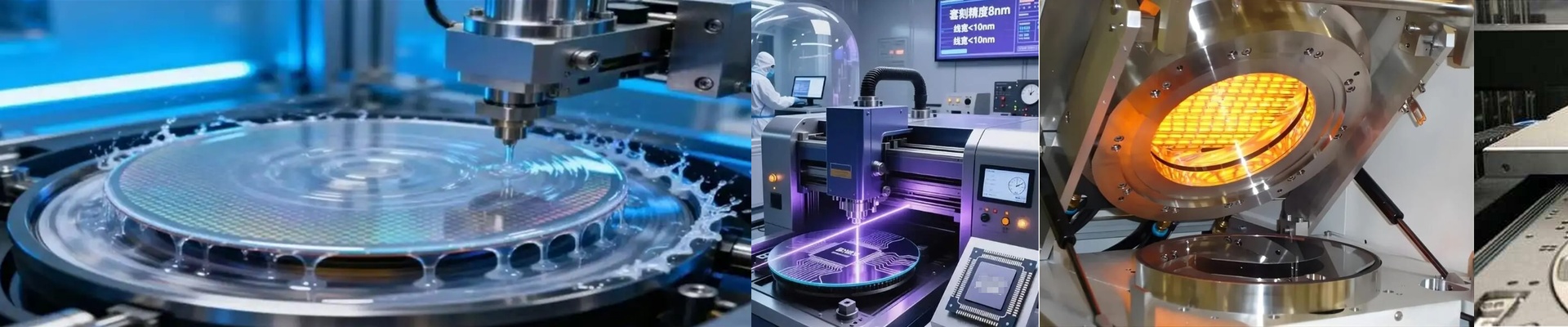
If you’re building out a modern smart Fab, the first thing you’ve got to do is ditch the old-school convection heating. It’s just not built for this. For semiconductor clean room trolleys, we’ve moved toward short-wave infrared (IR) systems. Here’s why: IR sends energy straight to the target. It doesn’t waste time heating up all the air around it. That’s a huge win because when you aren’t stirring up the air, you aren’t kicking up particulates. Your clean room stays actually clean. Turning Heat Into Data In a digital production line, a heater shouldn’t just be a “dumb” piece of hardware. It needs to talk. We build our IR systems to plug right into your PLC networks. Instead of someone walking around with a clipboard logging temperatures—which, let’s be honest, is a recipe for human error—you get a real-time feed. You can see exactly how much power is being pulled and the surface temp of every batch. It’s like having a digital receipt for the heating cycle of every single wafer carrier. No guesswork. Why IR Beats the Alternative Convection heaters are bulky. They move air. In a Class 1 or Class 10 environment, moving air is a risk you just don’t want to take. IR lamps are tiny by comparison. They hit the material instantly. We use quartz-halogen tech because it ramps up fast. Really fast. Your trolleys don’t have to sit there idling while you wait for a big chamber to finally hit the right temperature. You just get to work. The Reality Check (The Engineering Part) Now, it’s not as simple as just slapping a lamp onto an old trolley frame. High-density IR arrays put out a massive amount of heat. If you aren’t careful, you’ll end up with hot spots. You’ll need heat-reflective shielding on your chassis, or you’re going to fry your sensors and electronics. And keep an eye on your airflow. If the cooling around the lamp housing is off, the heat builds up and your lamps will burn out way faster than they should. To stop that, we use closed-loop PID controllers. They keep things steady and prevent that “overshoot” that kills your elements during rapid cycles.