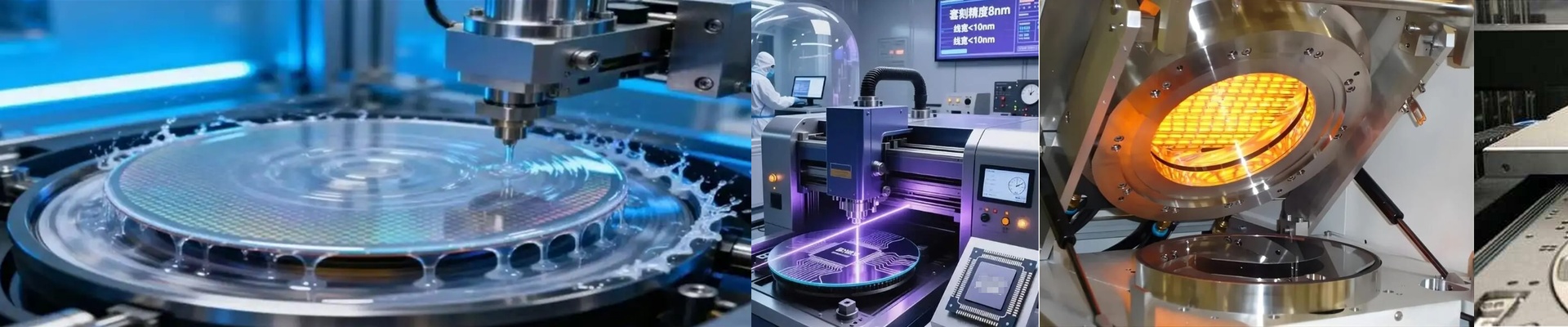

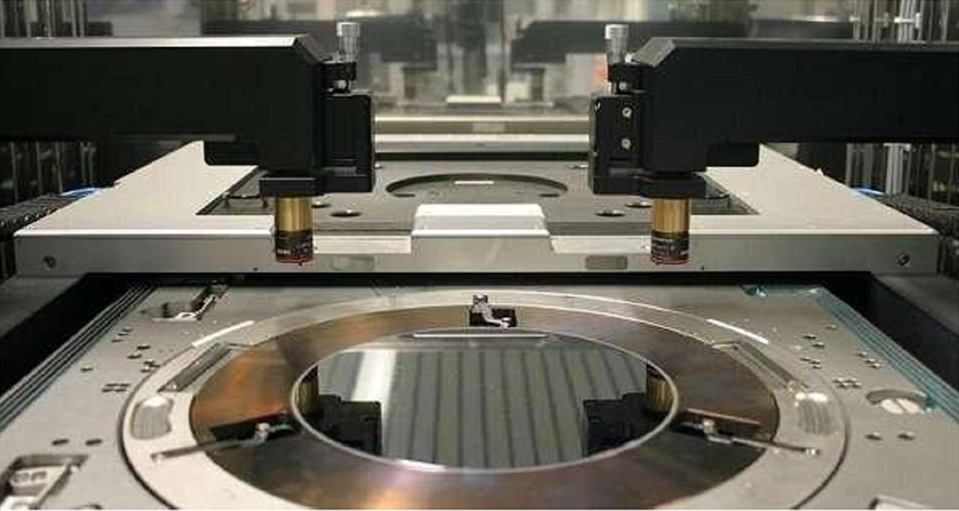
Out on the lithography floor, that 300 mm wafer just comes off the DNS cleaner and sits waiting for the photoresist bake. The line won’t swallow a ±0.5 °C swing, and the cleanroom won’t tolerate extra particles. If the thermal profile drifts even a little, you lose CD control—and you lose yield.
Infrared heating accuracy: sub-millimeter uniformity and repeatability
The DNS screen wafer dryer lamp is built around short-wave infrared emitters tuned to how common photoresist stacks absorb. That gives you sub-millimeter thermal uniformity across the wafer plane, and repeatable setpoint tracking that keeps temperature inside tight tolerances during both soft bake and hard bake. Closed-loop control locks the thermal budget right where the recipe calls for it, so every lot sees the same profile, shift after shift.
Why it works in DNS drying and bake
The lamp drops straight into DNS drying modules and delivers fast, clean heat without contact. It runs in Class 1–100 environments with zero particle generation and low outgassing—exactly what you need to protect yield on advanced nodes. Tighter photoresist bake temperature repeatability stabilizes the process, and the rapid thermal response cuts cycle time and trims energy use. The payoff is steady line performance, fewer reworks, and maintenance intervals you can actually plan around.
Installation and operating notes
Plan the cleanroom-rated electrical routing up front, and double-check emitter alignment to the DNS chamber window—misalignment will chew into uniformity. The lamp can run at full power reliably, but the emitters have a finite life. Schedule preventive replacements so you don’t get blindsided by unplanned downtime. Before cutover, confirm your DNS tool revision for mechanical fit and make sure the thermal setpoint range matches the process.