
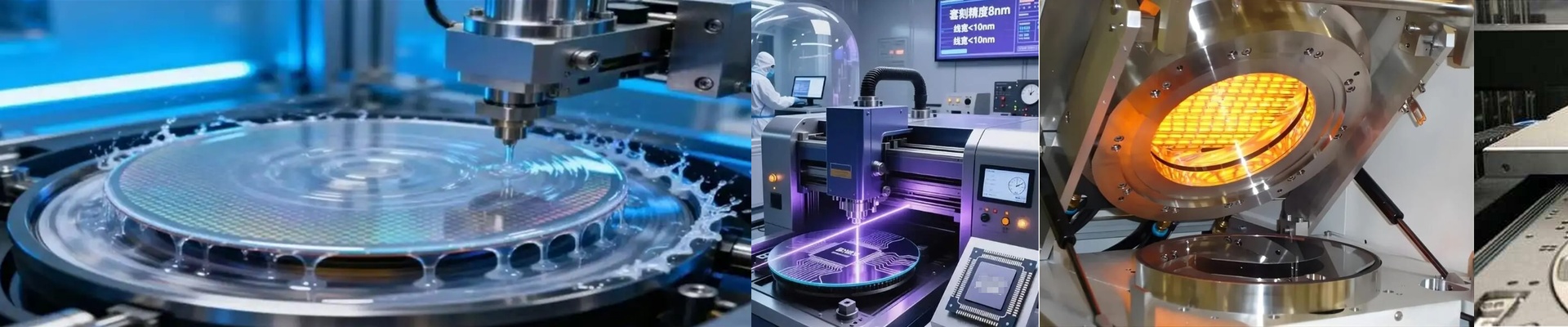
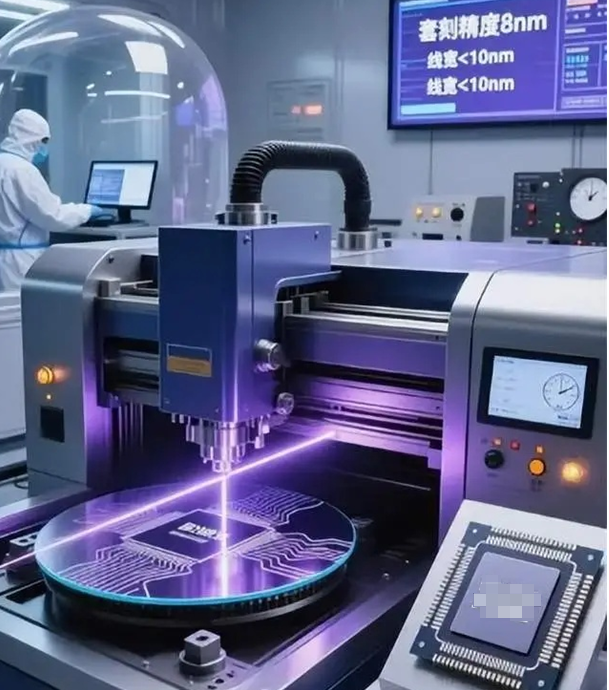
On the fab floor, the rinse dryer sits right between the clean and the litho steps. A temperature drift of even 0.5°C can leave a watermark on the wafer—or worse, trigger photoresist reflow after hard bake. We built our quartz heater specifically for that rinse-dryer zone, where thermal response, cleanliness, and repeatability write the yield number. What matters, technically The core is a short-wave quartz infrared emitter, picked for fast ramp and tight control. We’re aiming for wafer-level thermal uniformity of ±0.1°C across the chuck, with stable setpoints from 50°C to 250°C and response under 2 seconds. Closed-loop control keeps the thermal budget predictable, so you don’t cook delicate structures after etch and CMP. The body is ultra-high purity quartz, compatible with cleanroom Class 1–100. The surface is engineered to keep particle generation low, and it runs 24/7 without drift that would force you back into calibration. Why it fits the rinse dryer In a rinse dryer, you need heat that hits fast and stays uniform—just enough to drive off rinse water without collapsing patterns or stressing photoresist. This heater locks in the temperature profile, so the process repeats lot after lot, from soft bake through hard bake and onward. You end up with shorter cycle times, less scrap from edge bead and watermarks, and lower energy use thanks to efficient infrared coupling and low thermal mass. Field notes Installation comes down to orientation and clearance. The quartz envelope is tough, but it’s brittle if you shock it mechanically. Match the voltage and connector to your tool spec, and plan for shielding if you’re in a high-EMI bay. With proper mounting and clean handling, you can expect 5,000+ hours with less than 5% degradation.