
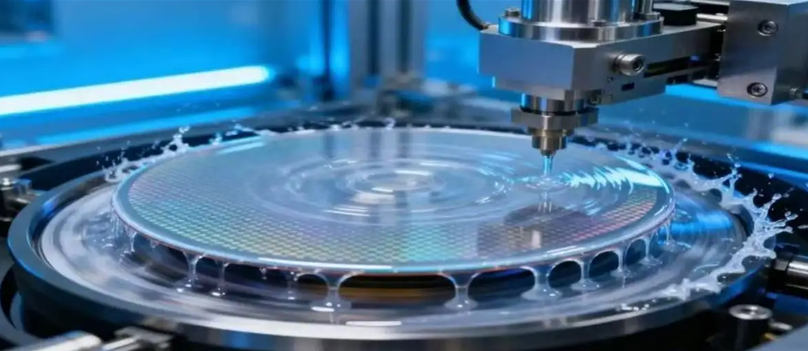
Ditching Hot Air for IR in MEMS Wafer Drying
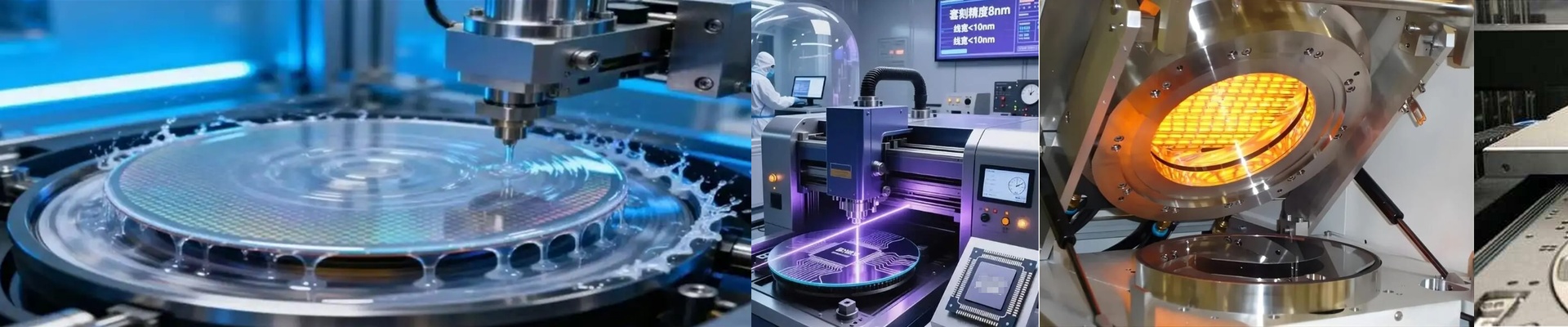
For a long time, the go-to move for drying MEMS sensor wafers was just blowing hot air over them. It’s the old-school way. You basically rely on convection to push heat across the surface and hope the moisture evaporates. The problem? It’s painfully slow. You end up sitting around for minutes while you wait for that air to actually get into the narrow trenches and tiny structures of the MEMS. It’s a bottleneck that kills your momentum. That’s why we’ve moved to infrared (IR) heating. Instead of heating the air and hoping for the best, IR sends energy straight to the wafer. Why it’s so much faster Think of it this way: IR targets the water molecules directly. The energy hits, the water reacts, and it’s gone. Almost instantly. You aren’t waiting on a blower or a fan to push heat around the room. You’re moving from a slow crawl to a sprint. In a real production line, this turns a “minutes-long” wait into a few seconds. It’s a massive win for your cycle time. The tricky parts Now, you can’t just swap a heater for a lamp and call it a day. IR is intense. If your lamps are slightly out of place or you crank the power too high, you’re looking at thermal shock or a warped wafer. That’s a nightmare. You really need a solid PID controller to handle the ramp-up so you don’t fry everything. We usually stick with short-wave IR emitters. They penetrate the surface with a lot of intensity, which lets you flash-dry residues without baking the entire substrate. Getting the hardware to work You’ll notice your floor plan changes, too. IR lamps take up way less room than those bulky blower assemblies and all the ducting that comes with them. But keep an eye on your power. You’re trading a fan motor for a high-wattage lamp array. Just make sure your power supply can handle that initial surge when the system kicks in. When you’re scaling up MEMS production, those saved seconds per wafer turn into huge gains by the end of a shift. It’s a simple shift in thinking: stop moving air, and start moving photons.