
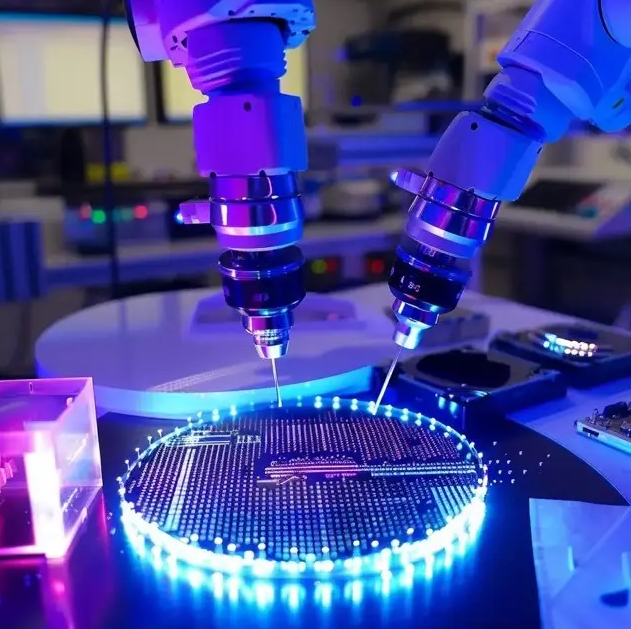
On the fab floor, a half-degree drift in bake Temperature can shove the critical dimension by nanometers and turn a good lot into scrap. You don’t manage yield by hope. You manage it by holding thermal control tighter than the process itself demands. We built our temperature sensor for that reality.
What matters, technically
We call out ±0.1°C stability across the bake range used in photoresist processing, because lithography tolerances live inside that band. The sensor drops into wafer tools with Class 1–100 cleanroom compatibility and is engineered to generate zero particles—so it doesn’t fight the cleanliness you pay to keep. It runs 24/7 with a design life aimed at preventing unplanned downtime, and it reports with the repeatability you need for statistical process control.
Why it holds up in real work
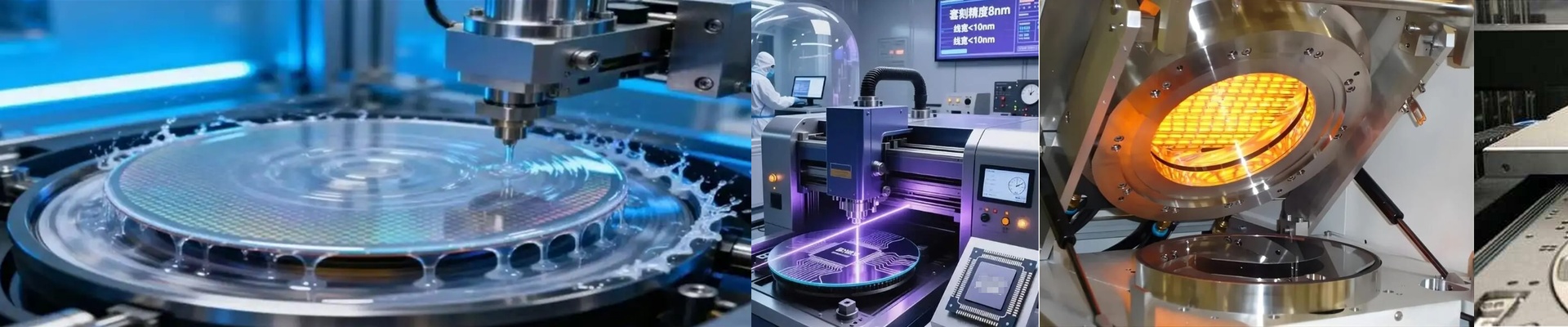
In soft bake and hard bake, the sensor locks down the thermal budget. Solvents leave predictably, and the resist profile stays consistent. Hot-plate uniformity becomes repeatable, which cuts edge-bead variability and tightens pattern fidelity. That means fewer excursions, less rework, and equipment behavior that behaves shift after shift. The numbers show up where it counts: stable bake profiles, fewer particle events, and uptime that runs on schedule.
What you need to get right
Installation has to match the tool’s thermal mass and your calibration interval. If the probe placement is off, it can mask the drift you’re trying to catch. Expect a short commissioning window to align setpoints with actual wafer temperature, and plan calibration on a fixed cadence to keep that ±0.1°C performance. Do it right, and the sensor becomes the reference the entire bake module trusts.