
Cutting Carbon with Precision IR Heating
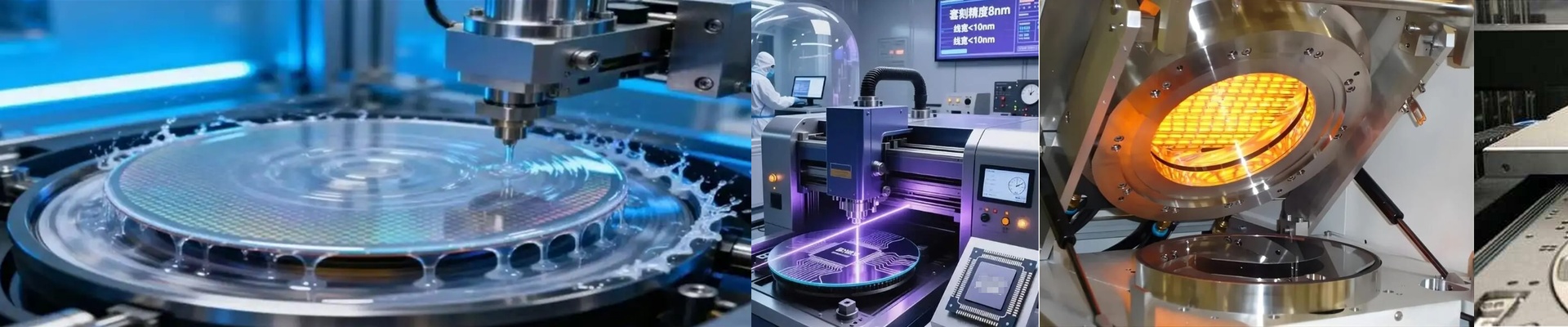
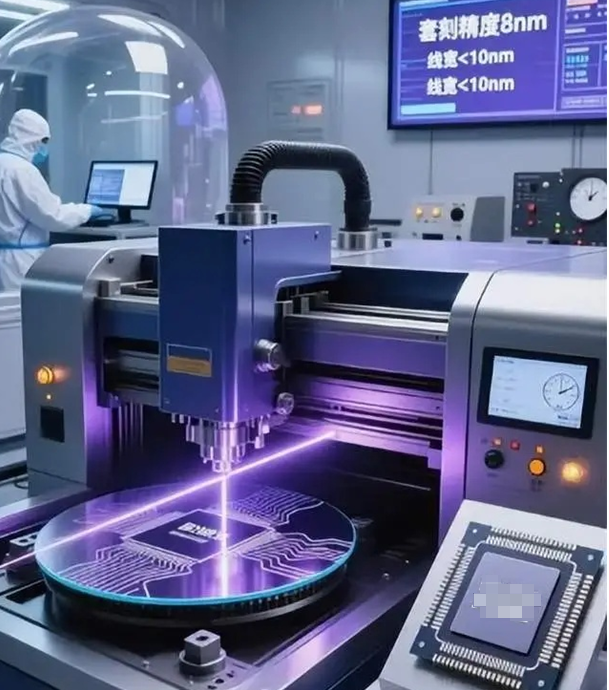
When you’re working in semiconductor fab, temperature isn’t just a setting—it’s everything. If you’re off by a hair, the whole batch is junk. We’ve found that short-wave infrared (IR) heating is the way to go. Why? Because it doesn’t bother heating up the air around the wafer. It just dumps the energy straight into the substrate. That’s where the real magic happens for your energy bills and your carbon footprint. The secret is in the density. Think about it: high-wattage IR lamps get you to your target temperature in seconds. Not minutes. Seconds. That means you stop wasting time—and power—waiting for a machine to warm up while it bleeds heat into the cleanroom. We tune these systems to hit specific wavelength peaks that the silicon actually wants to absorb. The energy goes where it belongs, not into the chamber walls. It’s not without its quirks, though. To keep the heat from spilling everywhere, we use quartz envelopes and precision reflectors to tighten the beam. It works great, but it’s a bit like driving a high-performance engine. Those lamp filaments are under a lot of stress. If your voltage jumps around even a little, you’re going to pop lamps way sooner than you should. You need a rock-solid power supply if you want your gear to actually last. What this does for the “Green Factory” goal Switching from old-school resistive heating to precision IR is a huge win for the planet. You can finally ditch those massive convection ovens that spend half their time heating dead air. Everything just moves faster. Your cycle times drop, your electricity bill shrinks, and your facility’s cooling system doesn’t have to work nearly as hard. It’s a rare win-win. You hit your carbon neutrality targets, and you don’t have to slow down production to do it.