
Keeping Things Safe When Cleaning Wafers
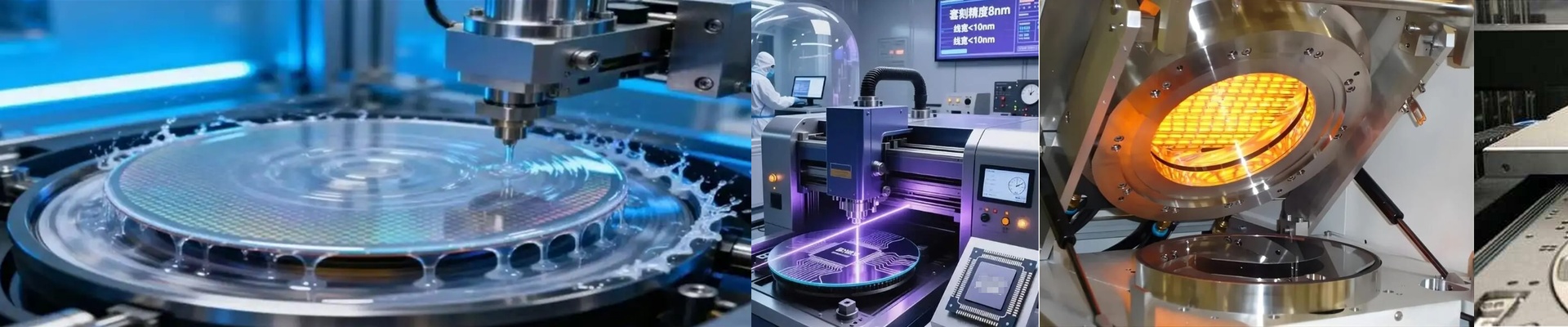
When you’re heating wafers in a chemical cleaning line, you’re basically playing with fire—or at least with vapors that love to explode. Standard infrared lamps just aren’t built for that kind of stress. They’d be a disaster. To make this work, we wrap the heating elements in a special kind of armor. It keeps the chemistry away from the heat source but still lets the warmth get through to where it needs to go. The secret is in the seal We don’t take any chances with sparks. We wrap our quartz tubes in heavy-duty, chemically resistant sleeves and use hermetic seals at the electrode junctions. Why? Because if hazardous gases leak into the lamp housing, you’ve got a massive problem on your hands. A failed seal isn’t just a technical glitch; it’s a liability. That’s why we use materials that can take a beating from corrosive cleaning agents without falling apart. Getting the heat right These heaters use shortwave IR radiation. It’s fast. Really fast. That speed means your wafers spend way less time sitting in that “danger zone” of temperature fluctuations. We’ve spent a lot of time balancing the wattage so the wafer hits the right temperature without melting your containment shell. Just a heads-up: make sure your power supply matches the lamp’s voltage exactly. If you don’t, you’re just asking for a premature burnout. Fitting them in and keeping them running We built these to be drop-in replacements for your current cleaning modules. Now, full disclosure: they’re a bit bulkier than a bare lamp. That’s the price you pay for explosion-proof certification. Before you start the install, double-check your chassis clearances so you aren’t fighting for every millimeter of space. Once they’re in, keep a close eye on those outer sleeves. If you see a crack, pull the lamp. Immediately. We also used reinforced connectors because cleaning machinery vibrates—a lot. We can’t have a wire wiggling loose and creating an arc in a room full of volatile chemicals. That’s just common sense.