
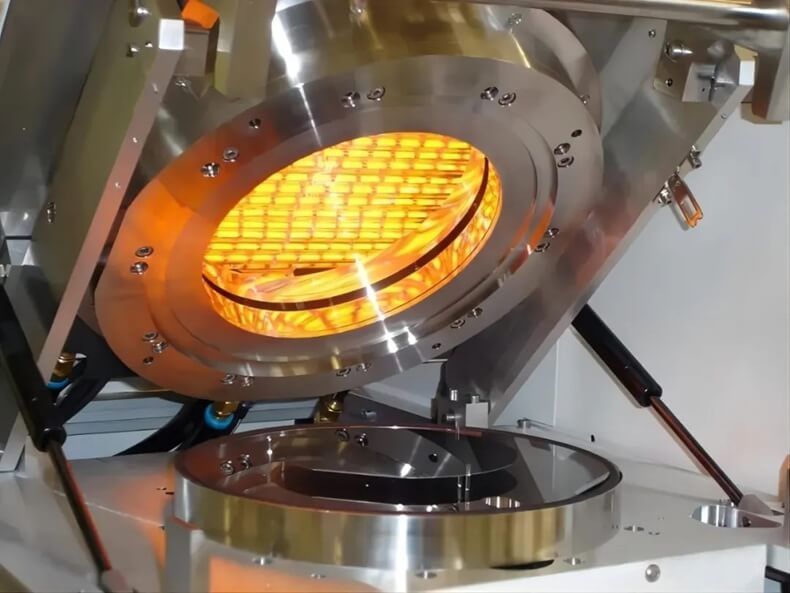
Making Sure Your Gold-Reflector IR Lamps Don’t Let You Down
We build our gold-reflector IR bulbs with one goal: getting the heat exactly where it needs to go. That gold coating isn’t just for show—it pushes the IR radiation straight back toward your workpiece so you aren’t wasting energy heating up the rest of the room. But here’s the thing. High-performance heating is about more than just raw power. It’s about making sure you don’t fry your control board or deal with a nasty short circuit in a high-voltage setup. Nobody wants that.
The Reality of Insulation Testing
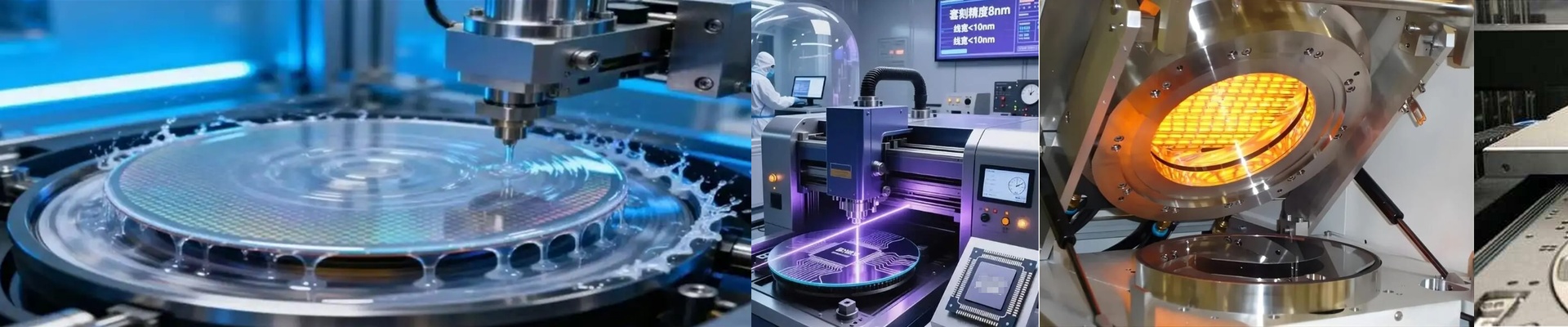
We don’t do “batch sampling” here. That’s too risky. Instead, every single tube that leaves our shop goes through a full voltage endurance and insulation resistance test. We hit the insulation layers with a high-voltage stress test. Why? Because we’re looking for the tiny stuff—microscopic pinholes or hairline cracks in the quartz and seals that you can’t see with the naked eye. If a lamp has a weak spot, it’ll eventually give out once it starts heating up and cooling down on your production line. When that happens, you’ve got a grounded circuit. That’s how fuses blow. Or worse, it’s how your PLC gets trashed.
The Trade-offs You Should Know About
Using gold reflectors creates a really dense heat beam. It’s great for speeding up your cycle times, but it does put a bit more stress on the lamp ends and your wiring. The beam is tighter, sure, but the housing is going to run hotter. Just a heads-up: make sure your cooling fans and wire gauges are up to the task. You don’t want to find out the hard way that your lead wire insulation is melting.
Why This Actually Matters
When you’re plugging these into expensive industrial gear, you need a part that just works. You don’t want to worry about a ground fault the second you flip the switch. Our QC process is designed to kill off those “lemon” bulbs before they ever reach you. You get a stable electrical footprint from day one. It keeps your downtime low, your equipment safe, and your life a lot easier.