
Why IR Heating is the Way to Go for Your Smart Fab
If you’re planning out a new smart Fab, do yourself a favor: leave those old resistive heaters in the past. They’re clunky. If you want a setup that actually talks to your data systems, infrared (IR) is where you need to be.
The reality of heating in a vacuum
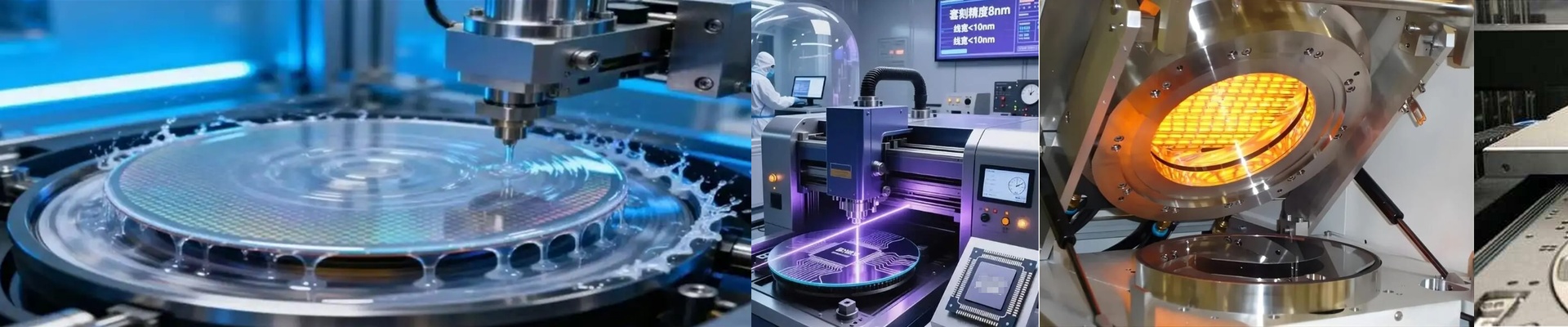
Here’s the thing about vacuums—you don’t have air to move heat around. Convection is gone. You’re relying entirely on radiation. Our IR systems don’t waste time trying to warm up the whole room. They aim straight for the substrate. It’s like using a spotlight instead of a floodlight. You get way faster ramp-up times because you aren’t waiting for the chamber walls to soak up energy they don’t even need. The heat hits the wafer, not the housing. Simple.
Making it “Smart”
A modern Fab needs to react in real-time. We build these heaters to play nice with PLC-controlled power supplies, so you can tweak the wattage on the fly. You can program a specific thermal profile for one batch and switch to another instantly. No more manual tuning or guessing. Plus, we use high-density filaments. They keep the hardware small, which means you actually have room to breathe—and room for your sensors and robotic arms to do their thing.
The trade-off (The part no one likes to talk about)
Now, look. High-wattage lamps pack a punch. That’s great for getting things done fast, but it puts a lot of stress on your cooling. If you’re pushing for those lightning-fast cycle times, you’ve got to make sure your water-cooled jackets or heat sinks can actually handle the back-heat. If you skimp here, your lamps will burn out early or your vacuum seals will start to degrade. It’s a balancing act.
Getting it running
When you wire these into a digital grid, you stop flying blind. You can see exactly how much energy every single unit is using. You get a clear paper trail for every thermal cycle. It’s a massive upgrade over those old-school timers that just hope for the best. You finally get to see what’s actually happening inside the chamber.