
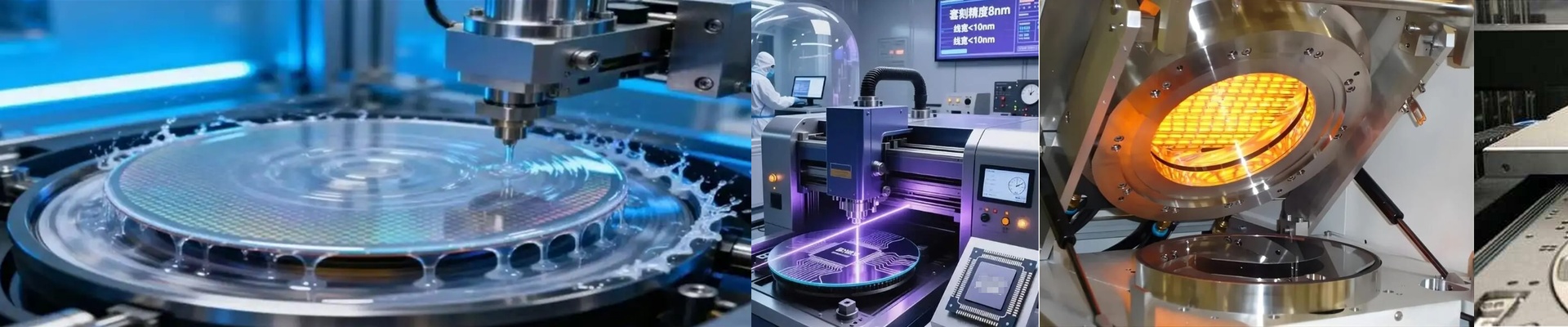
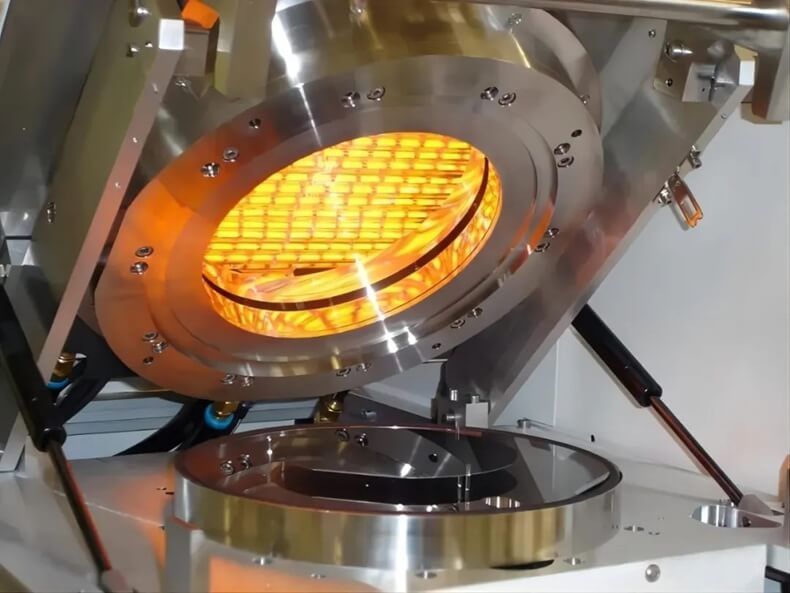
When you’re running a Class 100 cleanroom, “almost clean” doesn’t cut it. One tiny flake of dust or a stray puff of gas from a heating element is all it takes to trash a wafer or ruin a sensor die. It’s a nightmare scenario. That’s why we stick with high-purity synthetic quartz infrared lamps. Here is the deal with the physics: standard heaters tend to “smoke” or leak volatile organic compounds (VOCs) the second they hit peak temperature. Not these. We use fused silica quartz with high hydroxyl (OH) content because it just doesn’t break down under pressure. Think of the quartz tube as a vault—it keeps the tungsten filament locked away so nothing leaks into your clean air. For sensor packaging, we lean heavily into short-wave infrared (SWIR). It’s just more efficient. It punches through packaging materials deeper and faster than long-wave heat ever could. We also use high-purity end-caps and tight seals so you don’t have to worry about halogen gas escaping. But a word of caution: watch your power density. These lamps pack a massive amount of punch into a tiny space. If you blast them at full power immediately, that heat flux can stress the sensor housings and crack your substrates. I always suggest a staggered ramp-up. Ease into it. Now, these are designed to drop right into your precision jigs, which makes the setup easy. But keep in mind that high-purity quartz is brittle. Whatever you do,**do not touch the tubes with your bare hands.**The oils from your skin create tiny hotspots. You won’t see them, but they’ll cause the tube to fail way sooner than it should. Look, these lamps are the cleanest way to get heat, but there are trade-offs. The synthetic quartz costs more, and you have to be picky about your voltage. If your power supply has any ripple, you’re going to burn through filaments. One last tip: use high-temp leads. You don’t want your cabling off-gassing right next to the product you’re trying to keep pristine.