Keeping Changing Rooms Warm (Without the Headache)
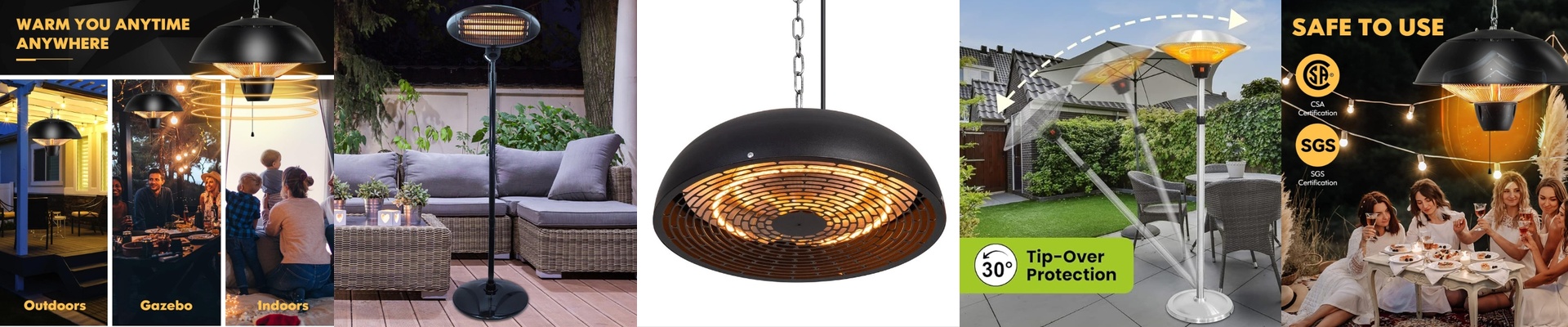
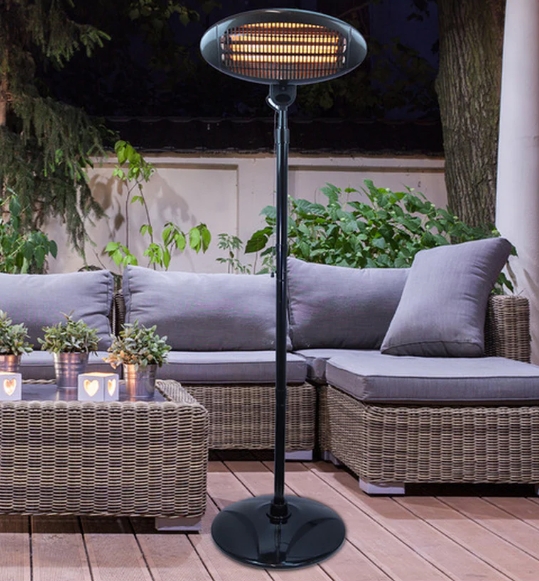
If you’ve ever stepped into a locker room at a gym or a luxury spa, you know the vibe. It’s usually damp, chilly, and honestly, a bit miserable when you’re trying to get dressed. For engineers, this is a nightmare. You’ve got high humidity and people who want to feel warm right now. That’s why we lean on shortwave infrared. Most heaters just try to warm up the air, which is a losing battle in a drafty room. Infrared is different. It sends energy straight to your skin and clothes. It doesn’t care if the air is cold; you feel the heat the second you step under it.
Dealing with the Damp
Water and electricity don’t mix. Period. In a place where people are showering right next to the heaters, moisture is the enemy. If you use a cheap unit, condensation will find its way into the wiring and short the whole thing out in a few months. We use IPX5-rated gear to stop that from happening. In plain English? It means the unit can handle water jets hitting it from any direction. We seal the terminals and use heavy-duty gaskets to keep the steam out of the guts of the machine. It’s the only way to make sure the heater actually lasts.
The Magic of Quartz
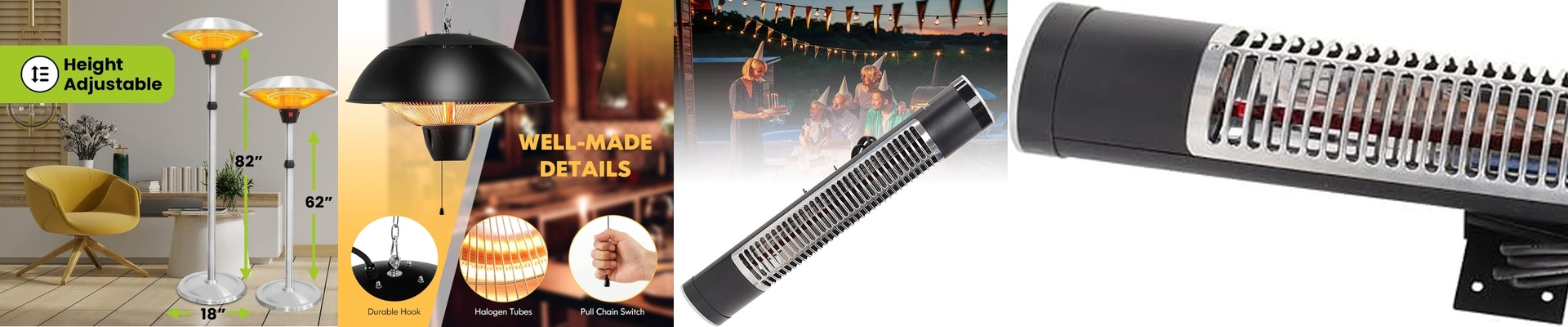
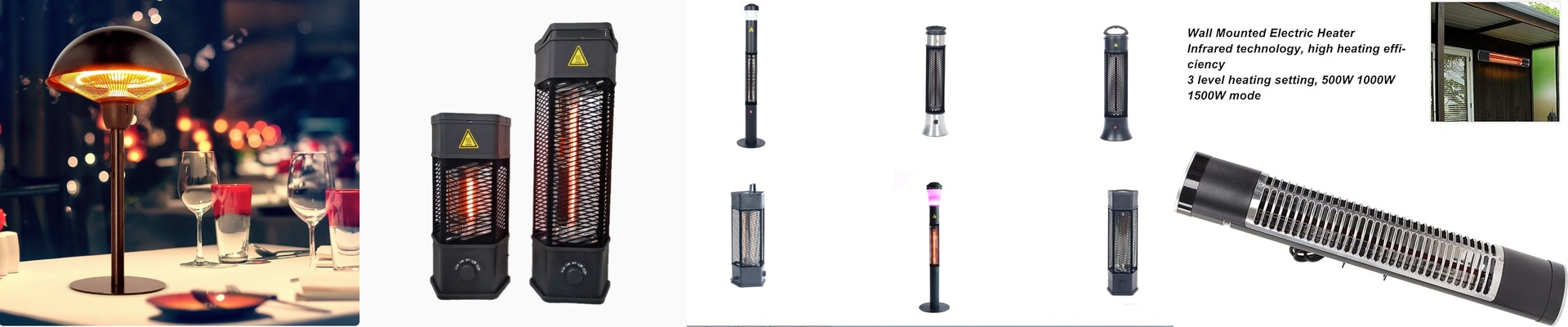
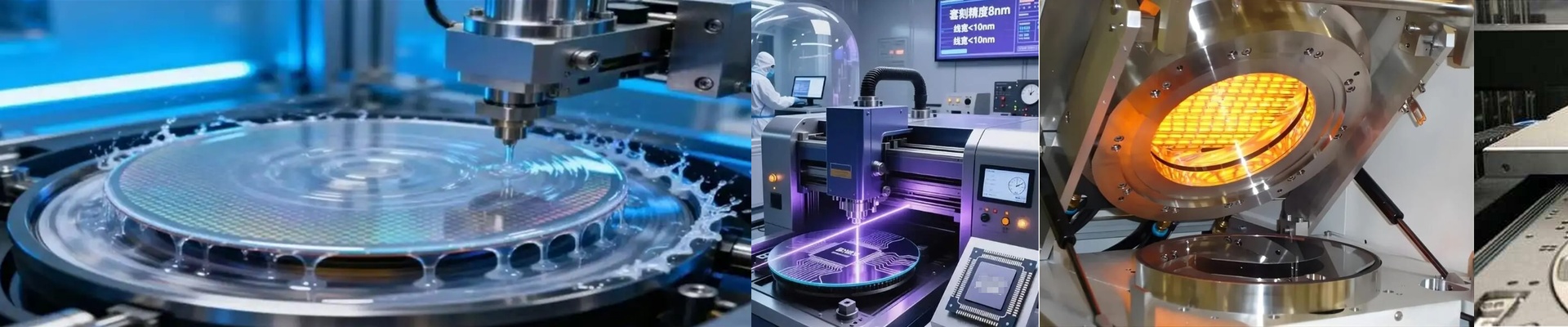
Inside these units, there’s a tungsten filament tucked into a quartz tube. We usually fill that tube with halogen gas to keep the filament from burning out too quickly. This setup creates “shortwave” radiation. It sounds technical, but all it really means is that the heat hits harder and faster. You flip the switch, and boom—instant warmth. No waiting twenty minutes for the room to “warm up.”
The Practical Stuff
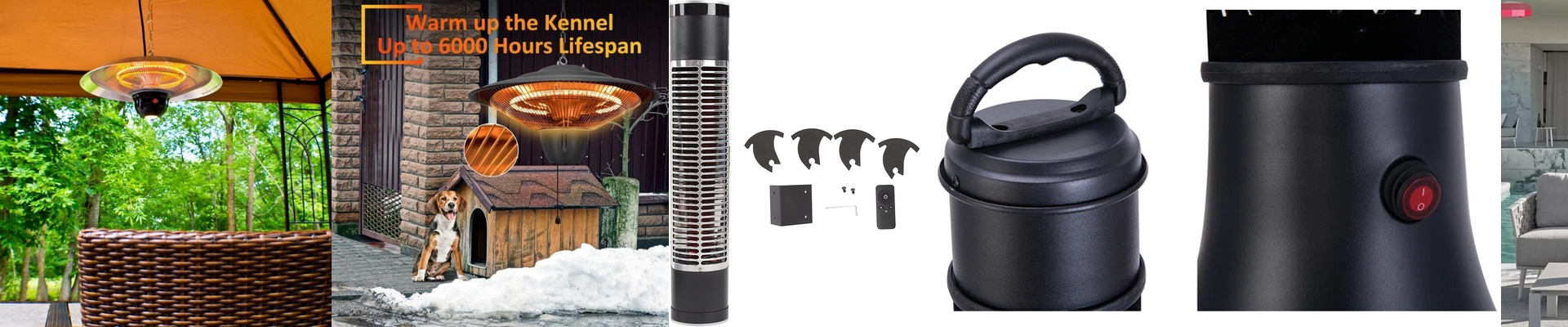
Installing these is pretty straightforward. They usually just drop right into your existing wall or ceiling mounts. Just a heads-up: make sure your circuit breakers can handle the initial power surge when the lamps kick in. But there is one catch. Because these units are so powerful, that quartz tube getsscorching hot. You can’t just slap them anywhere. We have to be really careful about the height and the angle so nobody accidentally touches the glass. We also space them out carefully so you don’t end up with “hot spots” where one person is roasting while the person next to them is still shivering.