
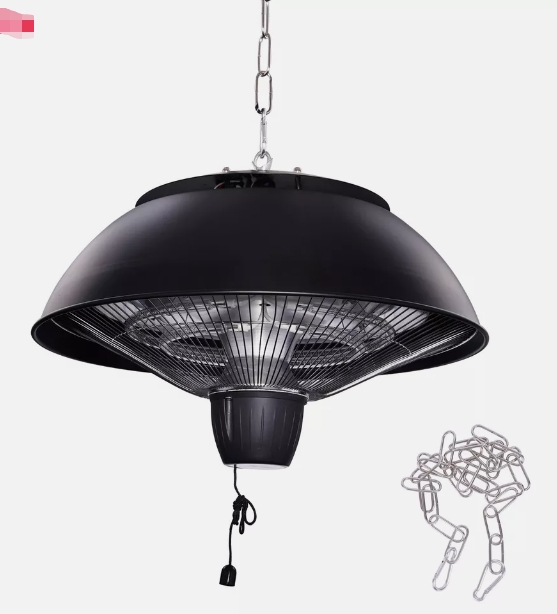
Keeping Things Safe: Infrared Heating in the Bathroom
Putting infrared lamps in a bathroom is a bit of a balancing act. You’ve got constant steam and humidity floating around, which is basically a nightmare for electricity. You can’t just toss a standard heater in there and hope for the best. Water vapor is sneaky—it finds its way into housings and creates paths for electricity to go where it shouldn’t. That’s how you end up with short circuits or, worse, a ground fault. To stop that, we focus everything on the barrier between the live wires and the outer shell.
Keeping the Water Out
We use high-grade silicone gaskets and IP-rated enclosures to lock moisture away from the wiring. The real danger zone is where the lamp meets the socket. That’s why we use ceramics with high dielectric strength. They keep the current exactly where it belongs. Cheap plastics? Forget them. They warp and degrade under the heat and humidity, which can lead to dangerous arc-overs. We also go with double-insulated cabling. It’s just a smart safety net. If the outer jacket gets worn down by harsh cleaning chemicals or just general wear and tear, you still have that second layer protecting you.
Grounding and the “Safety Switch”
In a bathroom, a hard-wired ground isn’t optional—it’s a must. We make sure the chassis is fully bonded to the earth. Here is why: if a seal ever fails and water hits a live wire, we want the breaker to trip immediately. It’s much better to have the power cut out than to have the entire heater casing become electrified. But the insulation is only half the battle. You absolutely need to pair these units with an RCD or GFCI. Without that safety switch, you’re just playing a guessing game with your safety.
The Big Trade-off: Air vs. Seals
Here’s the tricky part. If you seal a unit perfectly to keep the water out, you trap the heat inside. If it’s too tight, the internal parts will basically cook themselves and burn out. It’s all about balance. We use breathable membranes that act like a one-way street: they let the heat escape but block liquid water droplets from getting in. It keeps the electronics bone-dry without turning the inside of the heater into an oven.