
Making Bathroom Heaters That Actually Feel Right
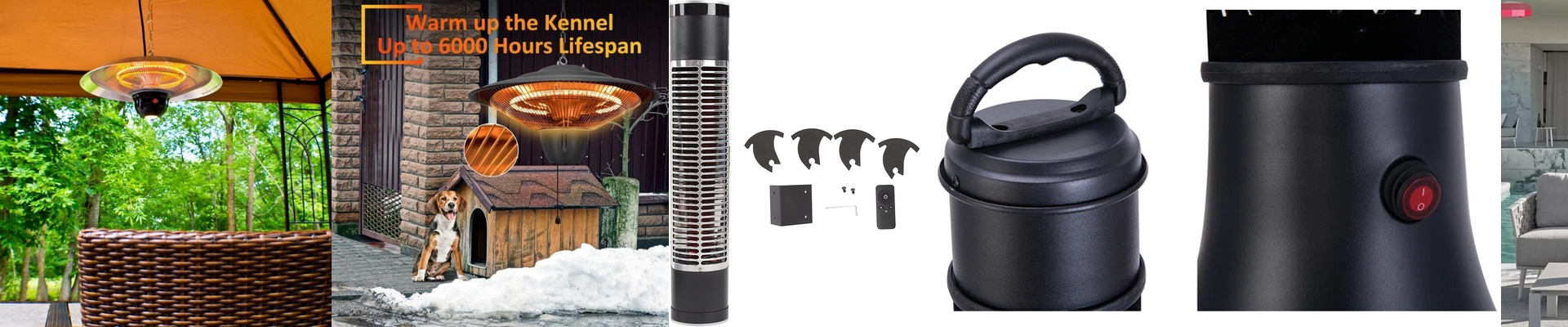
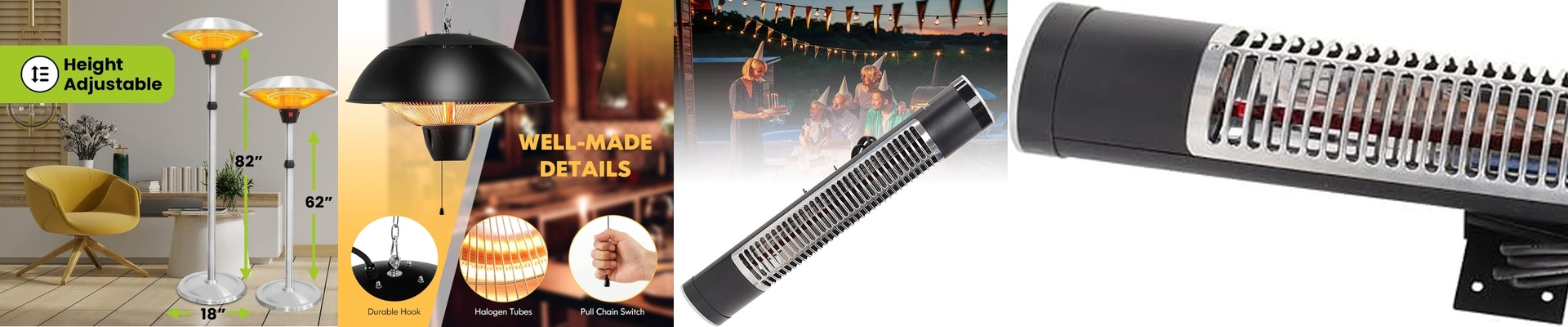
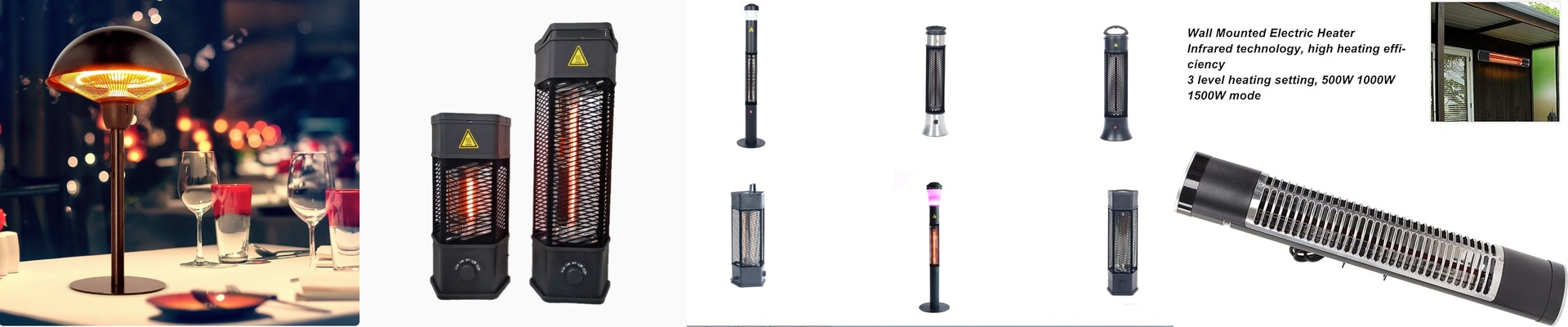
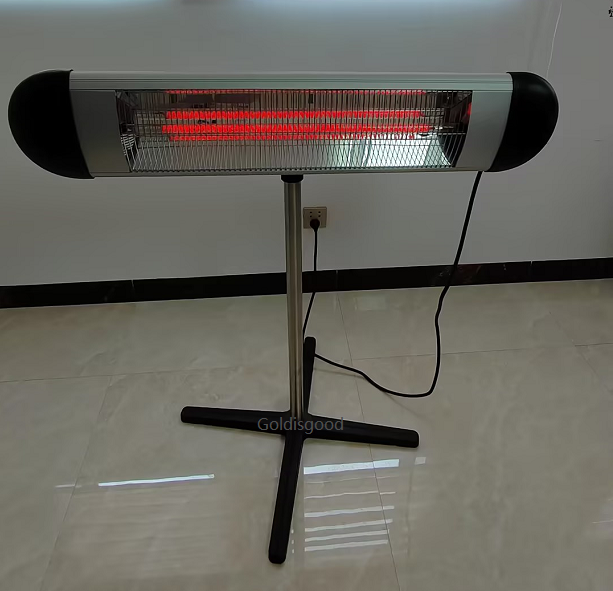
When we design infrared lamps for the bathroom, we’re basically trying to solve a tricky problem. You want that instant, cozy warmth the second you step out of the shower, but you don’t want a blinding light staring you in the face. It’s especially important for babies—their eyes are way more sensitive than ours, and a harsh glare just isn’t okay. Most standard IR lamps are just too bright. They’re aggressive. So, we changed how the light actually works. Keeping the heat, losing the glare We use special quartz coatings and specific gas fills to shift the light spectrum. Think of it as a filter. We strip away those high-frequency visible light waves—the ones that make you squint and stress out your retinas—and push the energy into the long-wave infrared band. The result? You still feel that deep warmth on your skin, but the light stays soft. It’s a much more relaxing experience. Dealing with the steam Bathrooms are wet. Really wet. If moisture sneaks into the electrical contacts, the lamp is going to burn out way faster than it should. To stop that, we seal the heating elements tight. We also spent a lot of time balancing the heat density. You want to feel warm quickly, but you don’t want the actual fixture on your ceiling to get dangerously hot. The honest trade-off Here is the thing: when you filter out that harsh light to protect your eyes, you lose a tiny bit of raw heating power. An unfiltered lamp might penetrate a bit deeper, but in a home bathroom, that’s not what matters. Safety wins every time. We’re happy to trade a small percentage of efficiency for peace of mind. One quick tip for the installation: make sure your ballast can actually handle the wattage of these filtered tubes. If the power supply is too weak, the lamps won’t get hot enough to trigger that infrared effect. You’ll end up with a light that looks pretty, but feels cold. And that defeats the whole purpose.