

Why we put our bathroom heaters through the “steam chamber”
Putting a high-wattage heater in a bathroom is a bit like playing a game of chicken with physics. You’ve got extreme heat on one side and 100% humidity on the other. It’s a brutal environment. We don’t just hope the seals hold up. We try our hardest to break them in the lab first.
The battle against steam
Here is the problem: these lamps get incredibly hot. When you turn the unit off, that heat vanishes, and the moist bathroom air rushes in. This creates condensation right on the electronics. If there’s even a tiny, microscopic gap in the sealant, moisture creeps in. Once that happens, electricity can start jumping where it shouldn’t. That’s usually when you get a flickering light, a dead bulb, or—worst case—a tripped breaker that leaves you shivering in the dark.
How we actually test them
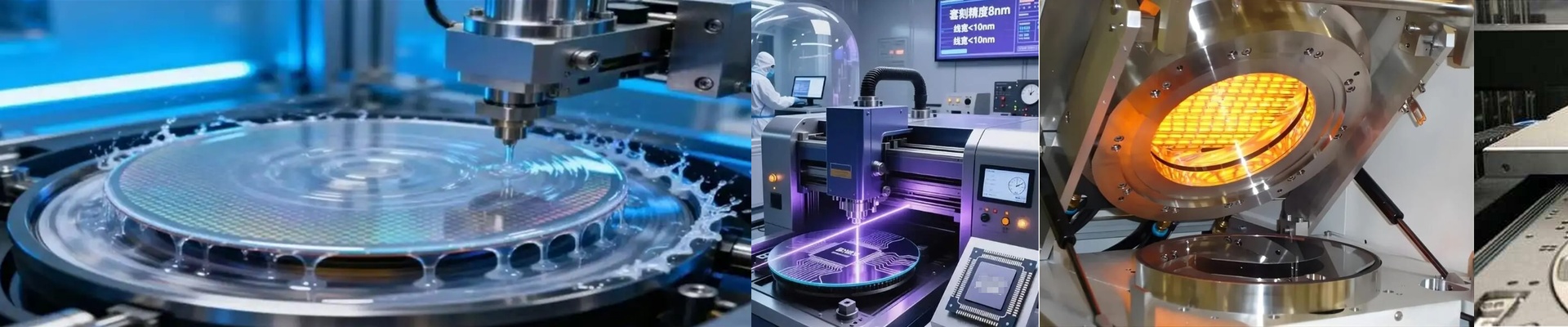
We don’t just give them a quick spray with a hose and call it a day. Instead, we lock every batch in a chamber that feels like a permanent sauna—high heat, heavy humidity, over and over again. We’re hunting for three things: First, we watch the gaskets. Do they shrink? Do they crack? If they do, the water wins. Then there’s the metal. We check for corrosion on the contact points. Rust creates resistance, and resistance creates dangerous hotspots. Not something you want above your head. Finally, we make sure the insulation is doing its job so no current leaks into the outer chassis.
The balancing act
It sounds simple—just seal it airtight, right? Not quite. If we seal the unit too tightly, the heat gets trapped inside. The components can’t “breathe,” and the capacitor ends up baking itself to death. It’s a constant trade-off. We spend a lot of time tweaking the vents so the unit stays bone-dry without overheating its own guts. It’s a lot of work, but it means you get a lamp that doesn’t quit after six months of steamy showers. We’d rather the hardware fail on our workbench than on your customer’s ceiling.