

Why Your Bathroom Heater Actually Dies
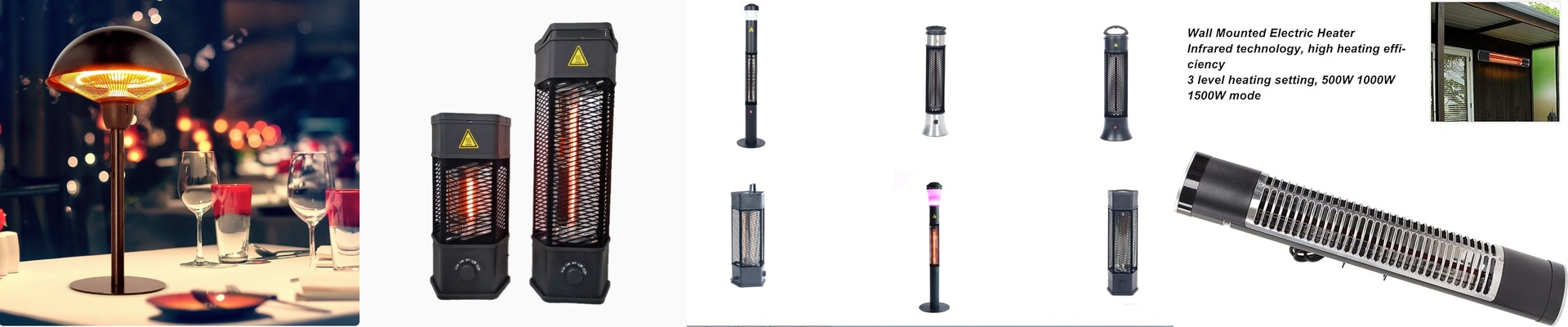
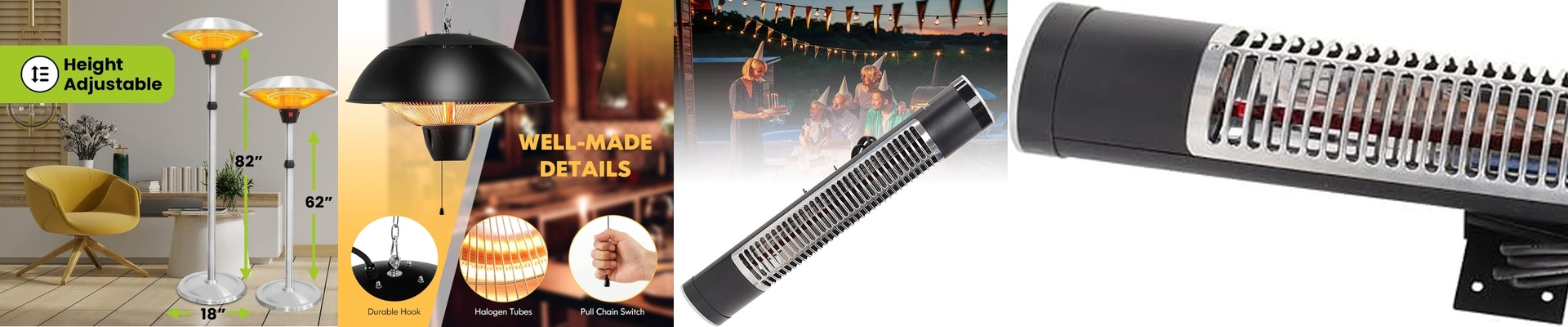
Here is a truth about bathroom infrared heaters: most of them fail at the exact same spot. When you’ve got a high-wattage quartz tube running, that heat doesn’t just push forward to warm you up. It creeps backward, right toward the electrical leads. Cheap heaters try to fix this with basic heat shrink or some low-grade glue. But here’s the problem. Those materials just bake. They crack. They shrink. And once that insulation gives up, you’re looking at a short circuit or a total burnout.
The problem with “standard” seals
Most consumer-grade sealing just can’t handle a bathroom. Think about it. Every time the heater kicks on, the lead wire expands. When it cools down, it contracts. It’s a constant tug-of-war that eventually shreds the seal. Then, the second some shower steam hits those exposed wires? You’ve got a recipe for an electrical arc. Not exactly what you want in a room full of water. We do things differently. We use OEM-grade sealing—which is basically a fancy way of saying we use high-temp silicone and precision-crimped terminals that actually bond to the quartz. It creates a tight, airtight seal. The moisture stays out, and the wire jacket doesn’t get fried.
The real cost of doing it right
Now, look. This way of doing things isn’t “fast.” It adds extra steps to the assembly line and slows everything down. It means the unit costs a bit more upfront. But it beats the hell out of dealing with field failures or the nightmare of a safety recall. If you go with a heater that has basic protection, you’re basically gambling on how long that insulation lasts. A professional seal keeps the wire from becoming brittle, so it actually stays strong even after thousands of hours of use.
A quick tip for installation
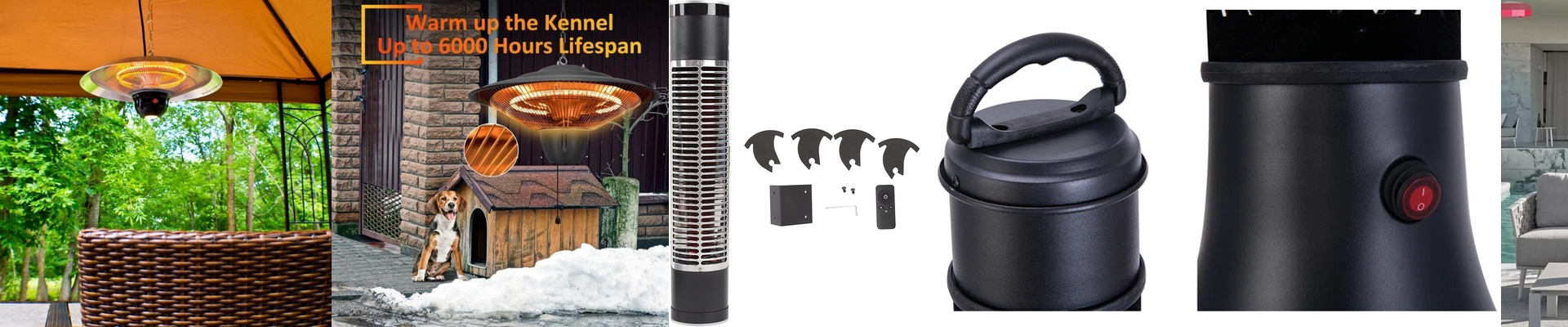
One last thing. When you’re wiring these in, give the sealed leads some breathing room. Don’t cram the wires tight against the chassis. If you do, you’re creating a heat trap. That basically cancels out all the benefits of the high-grade sealing because you’re concentrating all that heat in one tiny spot. Just let them breathe, and they’ll last.