
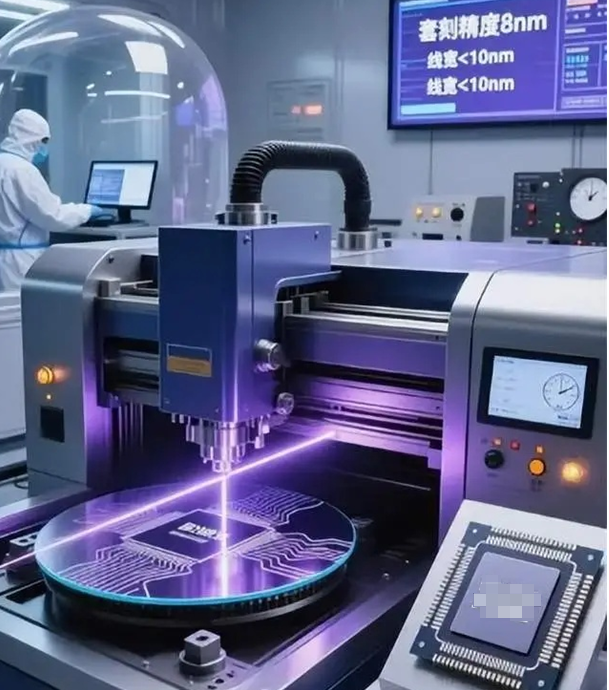
Getting the Wiring Right for IR Heaters in Semi-Fab
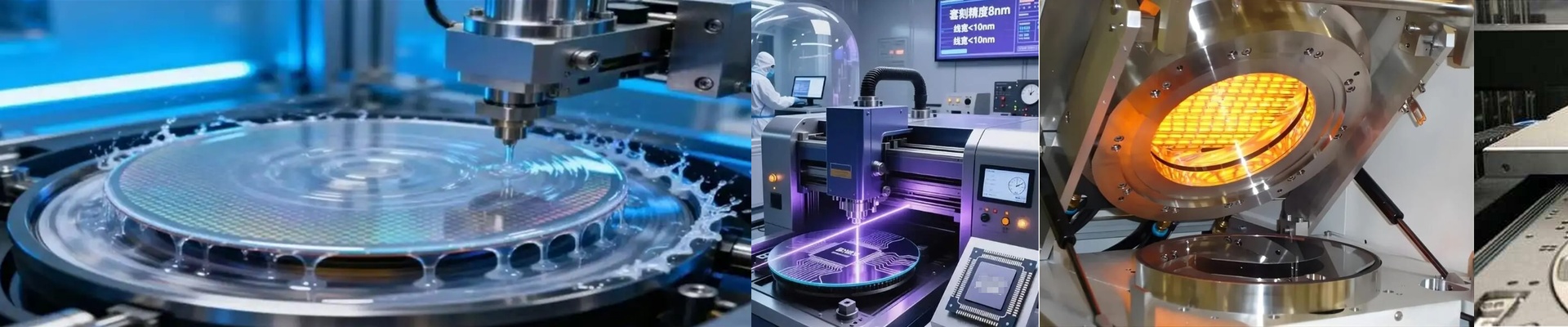
If we want to actually lower the carbon footprint in semiconductor fab, we have to stop relying on those old-school resistive ovens. They’re energy hogs. Switching to precision infrared (IR) heating is the way to go because you’re hitting the target with radiation instead of just heating up the whole room. But there’s a catch. When you move to IR, your wiring has to survive some serious heat. That’s why we stick with Teflon (PTFE) insulated wiring. Why bother with Teflon? Here’s the thing: standard PVC or silicone wires just don’t cut it. They’ll melt or burn out the second they get too close to an IR lamp. Teflon is different. It stays solid and holds its shape even when things hit 260°C. In a semi-tool, space is tight. You’re dealing with high heat in a tiny footprint, and you can’t always put a shield between your cables and the heat source. With Teflon, you can run your wires closer to the action without worrying about a sudden short circuit or a melted mess. The trade-offs you need to know Moving to IR lamps saves the factory a ton of energy, but it concentrates all that heat in one spot. If you’re running a high-wattage shortwave system, those lead wires really take a beating. To stop the wires from heating up on their own, we use silver-plated copper cores under that Teflon jacket. It keeps the electrical resistance low. One heads-up, though. PTFE is stiffer than silicone. It doesn’t like to be forced into tight corners. If you kink the wire too sharply, you’re going to stress the jacket and it’ll eventually crack. You’ve got to plan your routing carefully. Give the cables some breathing room. The big picture on “Green” factories The goal for most “green” initiatives is energy-on-demand. IR systems do exactly that—they heat the wafer, not the entire chamber. When you use high-temp Teflon wiring, the whole system just lasts longer. You aren’t swapping out fried cables every few weeks. Fewer replacement parts and less wasted energy means the fab’s operational footprint actually shrinks. Get the wiring right, and you stop the constant downtime caused by thermal wear and tear. It’s a win for the equipment and a win for the planet.