
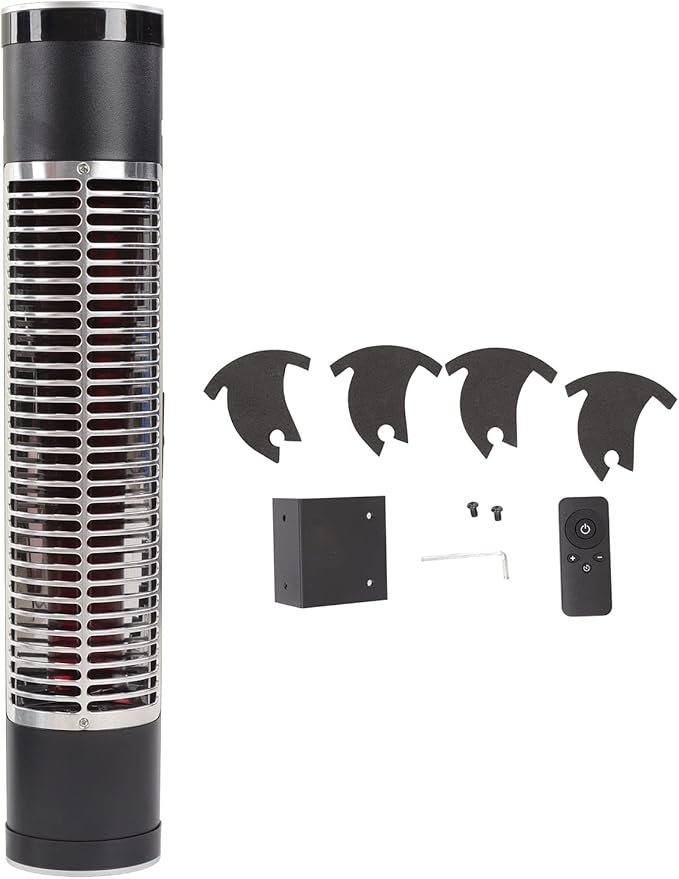
Stop Turning Your Heaters Into Coffins
When you’re building a waterproof table heater to IP55 standards, the seal is actually the easy part. The real nightmare? Trying to fix the thing once it breaks. Most IP-rated enclosures are basically permanent coffins for heating elements. One tube burns out, and suddenly you’re tearing the whole housing apart. You break the seals, you fight with the gaskets, and you spend the next week praying that water doesn’t leak back in during the next cycle. It’s a headache nobody needs. So, we changed how we do it. Instead of hard-wiring the infrared tubes directly into the chassis, we went with a modular, plug-and-play setup. Think of it like this: if a heating element gives up the ghost after five years, you don’t have to rebuild the entire table. You just swap the module. The waterproof shell stays intact, while the guts are accessible through a few quick-release fasteners. You pull the dead module out, slide a fresh one in, and you’re back in business in a few minutes. Now, there’s a catch with IP55 sealing. To keep out the dust and water jets, everything has to be tight. Really tight. The problem is that tight seals create a heat trap. Everything inside gets hot—including the electrical terminals. To stop the insulation from melting under all that thermal stress, we use oversized connectors and wiring that can actually handle the heat without turning into a puddle. In a real production shop, a dead heater usually means the whole line stops. That’s expensive. By treating the infrared tube as a part you just replace—like a lightbulb—rather than a permanent fixture, we’ve made the repair process painless. You don’t need a full electrical team or a massive overhaul. Just a basic toolkit, a spare module, and a couple of minutes. It keeps the machine running and the waterproof seal tight, without the drama.