
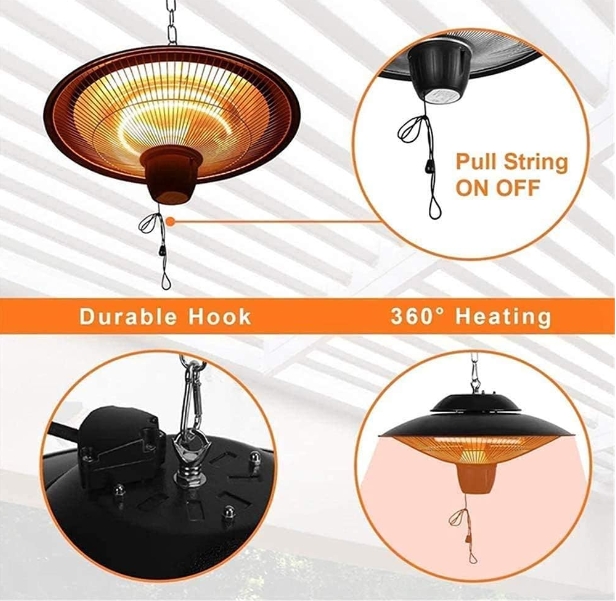
The Trick to Making Bathroom IR Heaters That Don’t Blind You
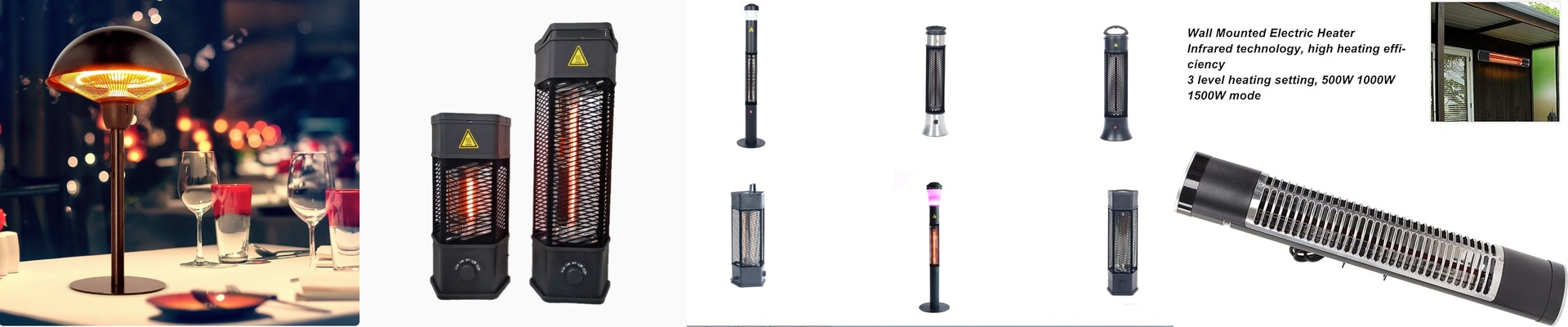
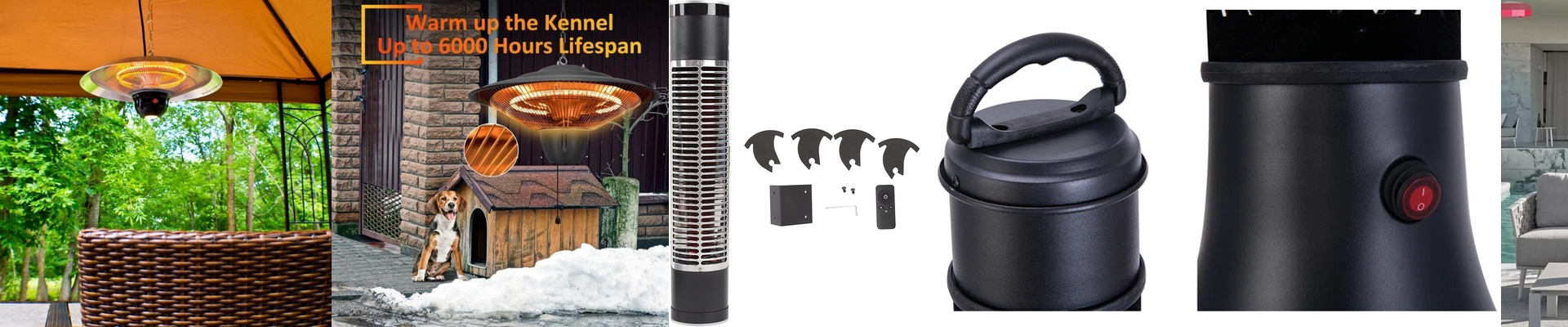
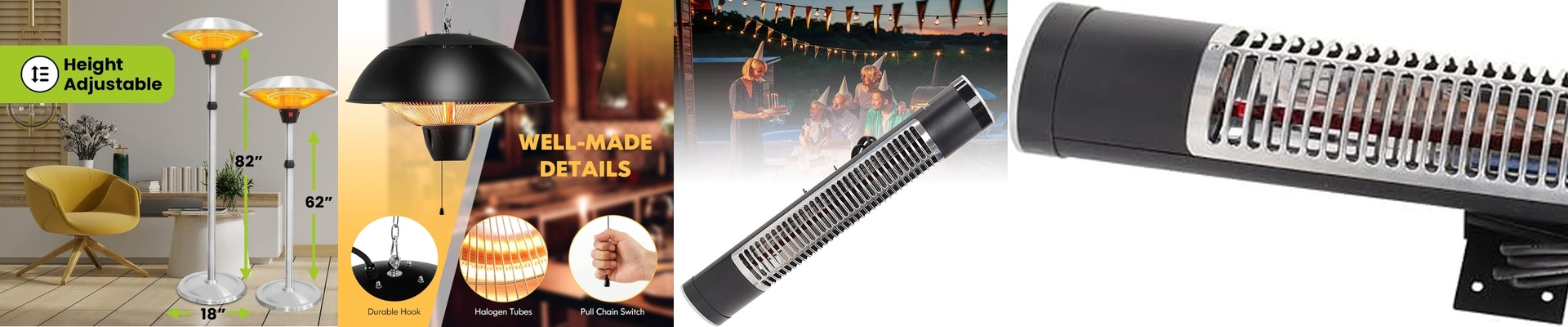
When you’re designing infrared heaters for a bathroom, you’re basically playing a balancing act. You want the room to get warm fast, but you don’t want the light to be so blinding that it hurts. Especially when babies are involved—their eyes are way more sensitive than ours, and we can’t have a heater that feels like staring into the sun. Dealing with the glare Most short-wave infrared lamps put out this harsh, bright white light. It’s annoying. To fix that, we use a filtered quartz envelope or a specific mix of halogen gas to shift how the light behaves. Basically, we push the energy into the heat band and dial back the visible light. You still get all that cozy warmth, but the light stays soft. It’s a much more relaxing experience. Keeping things dry and cool Since these go in bathrooms, we aim for an IP44 rating. In plain English? It means the unit can handle water splashes from any angle and keeps small bits of debris out. We use high-temperature silicone gaskets to seal up the sockets and wiring so moisture doesn’t sneak in. But here’s the thing: these lamps get hot. If you cram them too close together in a tiny box, the inside of the unit will just bake. To stop the chassis from soaking up all that heat, we either build in better ventilation or use a reflective shield to bounce the energy forward, right where it’s actually needed. Getting it installed We stick to plug-and-play connectors. It makes them way easier to swap out and means you don’t have to mess around with complicated wiring in a damp room. One little heads-up: those filters that stop the glare do take away a tiny bit of the heat efficiency. It’s a fair trade for the safety, but you might need to bump up the wattage a nudge to get the room to that perfect, steamy temperature.