
Heating Things Up Without Blowing Things Up
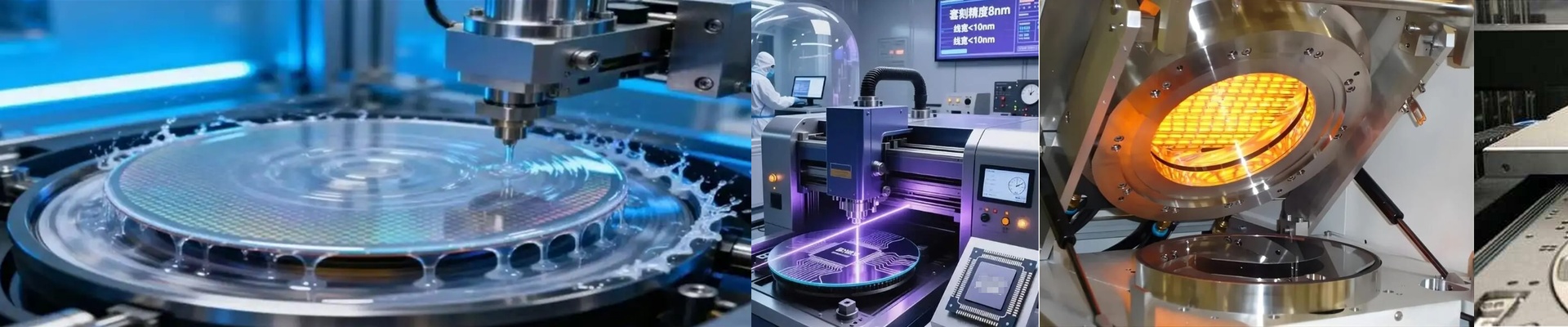
If you’re working in semiconductor fab manufacturing, you know the deal. Chemical cleaning stages are necessary, but they’re often filled with solvents that basically want to catch fire if you look at them wrong. Tossing a standard infrared (IR) lamp into that mix is a recipe for disaster. You can’t just hope for the best when you’re dealing with volatile vapors. That’s why we focus on keeping the heat where it belongs and the sparks far away from the chemicals.
Keeping the Bad Stuff Out
We don’t just “plug in a lamp” and call it a day. That’s how accidents happen. Instead, we wrap the IR emitters in a tough envelope made of quartz or sapphire. Think of it as a high-tech shield. It puts a physical wall between the scorching hot filament and those flammable vapors floating around the room. But the edges are where things usually fail. To fix that, we use reinforced cable glands and high-temp fluoroelastomer gaskets. They’re tight. Really tight. This keeps the explosive air out and locks the inert gas inside where it should stay.
Managing the Heat (The Right Way)
In a fab, “close enough” isn’t good enough. You need your temperature to stay exactly where you set it. We stick with short-wave IR lamps. Why? Because they hit the substrate fast. You get the heat you need on the target without turning the entire chamber into an oven. It keeps your chemical housings from overheating, which is a huge relief. We also dial in the wattage-per-centimeter so you don’t end up with scary hot spots. One thing to watch: airflow. These high-density lamps get incredibly hot at the end-caps. If your ventilation isn’t actually built to handle the total BTU output, your seals will fail or your cable insulation will just melt. It’s a simple mistake, but a costly one.
Making it Work in the Real World
The best part is that these units are built to be drop-in replacements. You don’t have to redesign your whole line. We use grounded housings and explosion-proof wiring to kill any chance of static buildup. By keeping the electrical guts totally isolated from the chemical spray, the risk of a spark practically vanishes. It means you can run those high-temp cleaning cycles and actually sleep at night, knowing you aren’t going to accidentally trigger the facility’s fire suppression system.