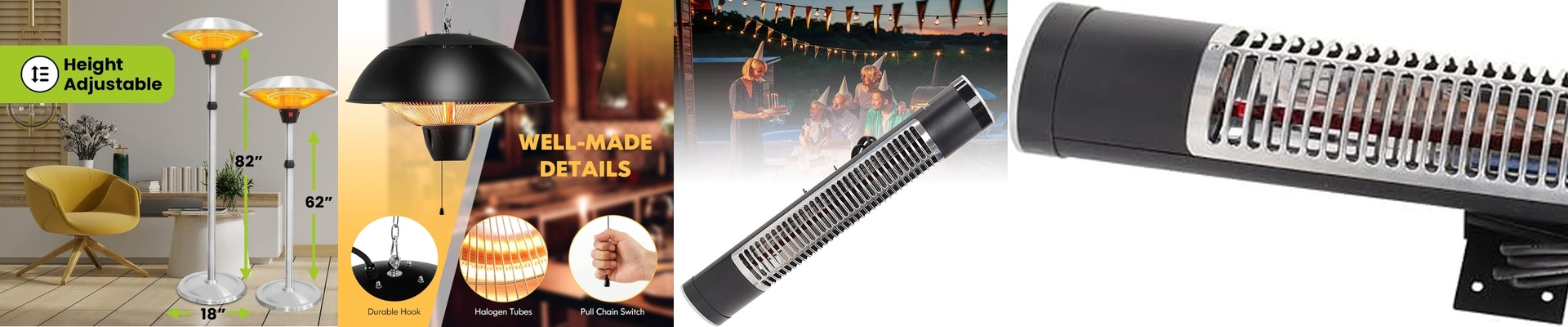


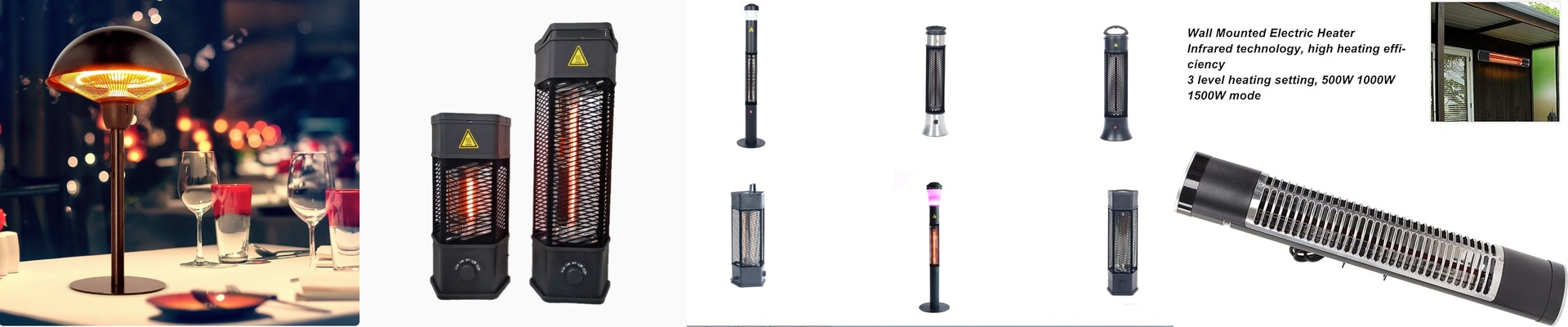
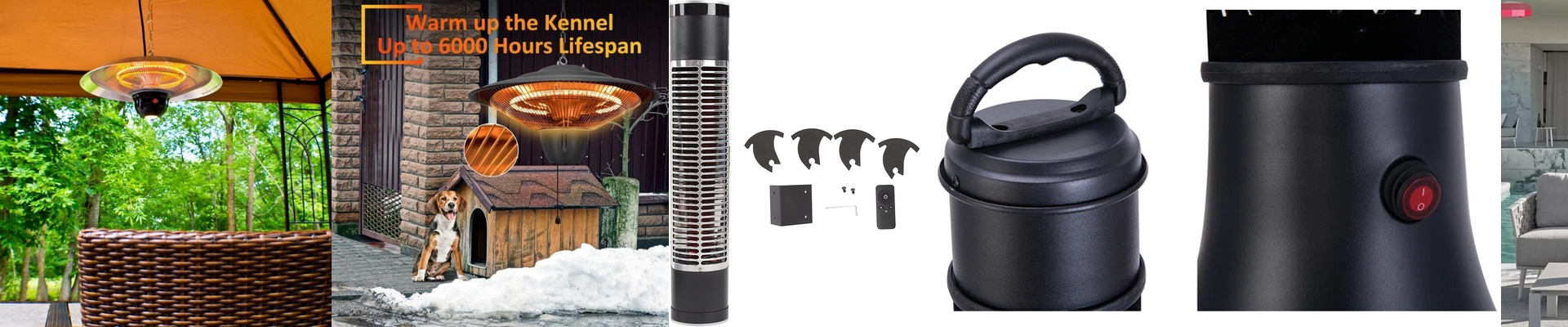

Let’s Talk About the Light in Your Bathroom Heater
Most infrared heaters just blast out everything—including high-intensity blue light and UV. If you’ve ever felt that sharp sting in your eyes when looking at a heater, that’s why. It’s a problem, especially if you have a baby in the bath. We handle this by being picky about the materials. We use specific filaments and a special quartz coating to filter out those harsh, short-wave peaks. Keeping your eyes safe That coating on the quartz isn’t there to make the light look “pretty.” It’s about physics. We’re basically narrowing the beam so the energy stays in the long-wave infrared range. The result? You get the warmth on your skin and your towels, but you don’t get that blinding glare that makes you squint. It’s much easier on the eyes. Heat without the hazard Nobody wants to stand around waiting ten minutes for a heater to kick in. We’ve tuned the elements to get up to temperature fast. But there’s a balance to strike. We want enough heat to dry a towel, but not so much that you’ll get a burn if you accidentally touch the surface. Since the light is just a side effect of the heat, we tweak the filament to keep things dim and comfortable. The trade-offs Here is the honest part: because we’re using coatings to protect your eyes, you lose a tiny bit of raw heating power compared to those clear, industrial lamps you see in warehouses. It’s a trade-off we’re happy to make. A little less heat density is a small price to pay for a safe light source. Just a heads-up: don’t try to “fix” that slight power drop by cranking up the wattage. If you over-spec the bulb, you risk melting or overheating the housing. Just stick to the recommended wattage for your specific fixture and you’ll be golden.