
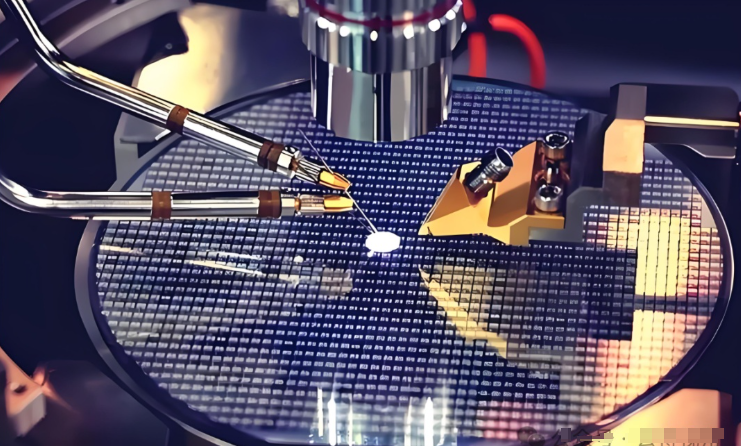
Out on the line, an RTP lamp that starts to dim is a schedule killer. Wafer drying sputters, photoresist bake drifts, and packaging cure cycles lose their repeatability. Every minute of unplanned downtime hits more than the parts count—it burns thermal budget and takes a bite out of process control.
What we design for, on the floor
We build replacement RTP heater lamps around what actually matters: fast thermal response and tight uniformity. Halogen elements give stable short-wave output so you can ramp quickly, and the quartz assemblies keep the chamber environment clean. The lamps are specced for consistent temperature control across the wafer, supporting ±0.1°C uniformity targets in production. They run 5,000+ hours with low output drift, so your setpoints stay put. Cleanroom-compatible materials and zero particle generation help keep particle counts in the Class 1–100 range, protecting lithography and bonding steps.
Why it behaves the way it does—by process
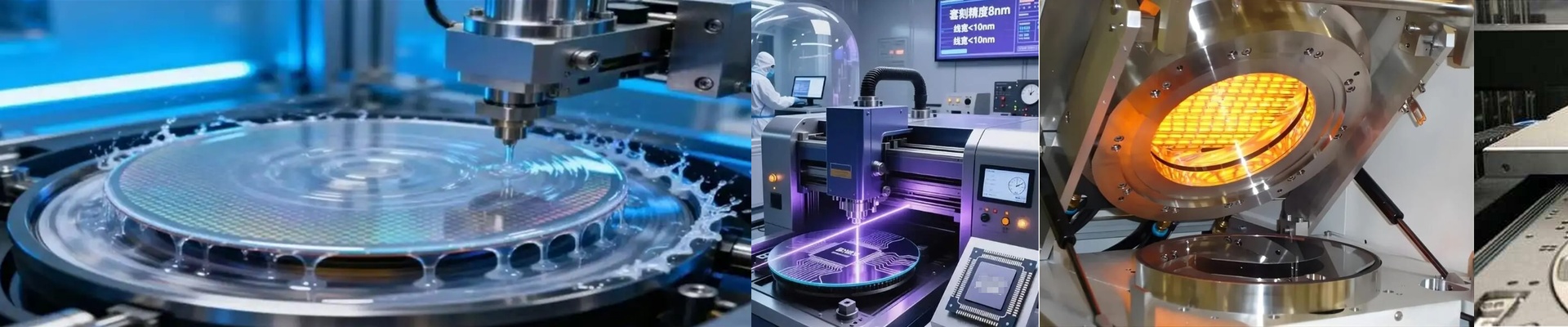
In wafer drying and cleaning, the lamp hits fast, even heat that pulls moisture off without leaving marks. In photoresist processing, it holds stable soft bake and hard bake temperatures, which tightens critical dimension control and keeps sidewall profiles clean. For packaging, it delivers repeatable curing on encapsulants and underfills, cutting down voids and delamination. The payoff is fewer rework lots, yield that stays steady, and maintenance windows you can plan around. You also save energy because the lamp heats quickly and holds steady—no overshoot, no recovery time.
Here is what matters when you swap one in
Installation is straightforward, but alignment and contact integrity are non-negotiable. Match the lamp to the chamber geometry, power bus, and connector type; if the length or terminals are off, you’ll see it as nonuniformity. Expect a short warm-up stabilization after replacement—run a quick qualification to verify uniformity and setpoint repeatability before you put the line back on full production.