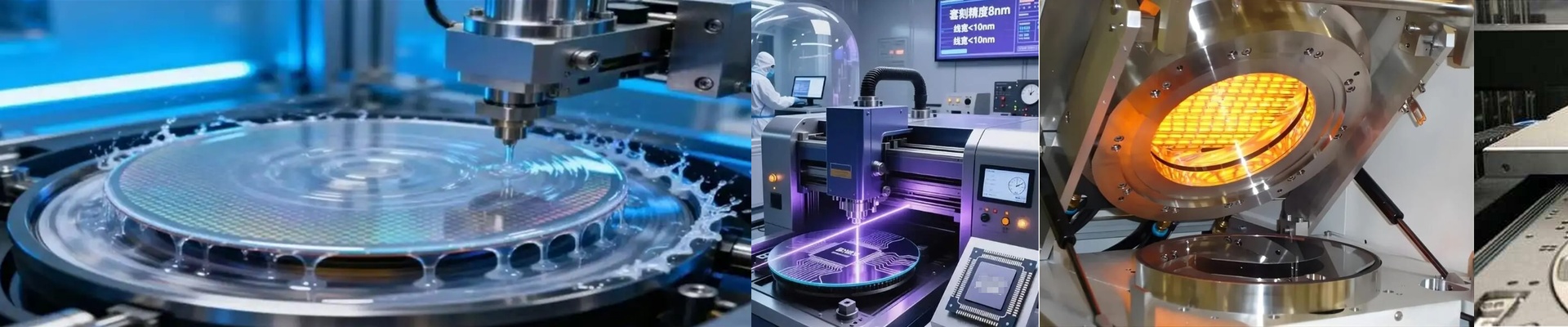

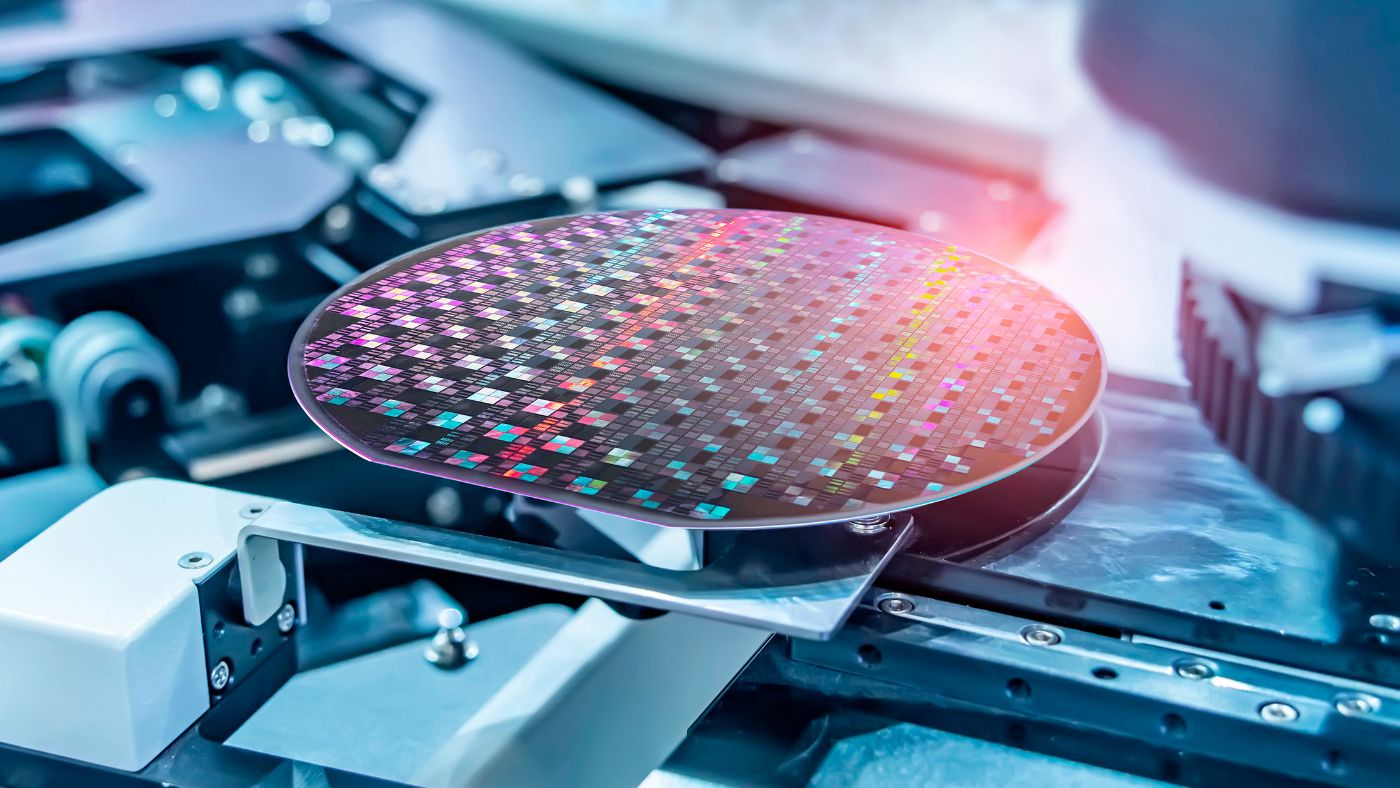
On the metrology floor, an XRD reading is only as solid as the stage’s thermal stability. A 0.5°C drift will move your lattice-parameter results, and that’s an easy way to send wafers into rework and knock lithography bakes out of spec. We designed our XRD heating lamp to clamp down on that uncertainty right where it starts. What matters under the hood The lamp uses short-wave infrared elements inside a quartz envelope, so heat couples directly into the chuck with low thermal mass. It’s closed-loop control, with a calibrated sensor mapped across the entire heated zone. You end up with wafer-level uniformity within ±0.1°C across the measurement region, and repeatability that holds the same setpoint cycle after cycle—even after thousands. Power density is tuned to ramp fast without overshoot, and output stays stable on 24/7 duty thanks to controlled duty-cycle management. Why this plays in semiconductor metrology In this business, the thermal budget is part of the measurement. This lamp keeps the chuck at the intended temperature with tight distribution, so XRD scans stay consistent lot-to-lot. It’s compatible with cleanroom Class 1–100, and the materials and seals were picked to keep particle generation as close to zero as possible. In production, that translates to fewer false excursions, stable photoresist bake behavior on adjacent tools, and cycle times you can count on. Energy use is handled through efficient coupling and smart power scheduling—not by shaving temperature margin. What you need to know up front The lamp is engineered to meet international semiconductor equipment expectations and works as a validated, equivalent-performance alternative for common platform interfaces. Installation comes down to matching the mechanical envelope, connector type, and optical alignment tolerances. Field retrofits are straightforward, but you have to keep the original chuck shielding and sensor calibration in place. Plan on a short commissioning run to finalize the thermal map for your specific wafer sizes and stage materials.
मेट्रोलॉजी फ्लोर पर, XRD रीडिंग उतनी ही स्थिर होती है जितनी स्टेज की थर्मल स्थिरता। 0.5°C का ड्रिफ्ट आपके लैटिस-पैरामीटर परिणामों को प्रभावित करता है, और यह एक आसान तरीका है जिससे वेफर्स को रिवर्क में भेजा जा सकता है और लिथोग्राफी बेक्स स्पेक से बाहर हो सकते हैं। हमने हमारा XRD हीटिंग लैंप इसी अनिश्चितता को वहीं रोकने के लिए डिज़ाइन किया है जहाँ यह शुरू होती है।
मुख्य तकनीकी कारक
लैंप में क्वार्ट्ज आवरण के अंदर शॉर्ट-वेव इन्फ्रारेड एलिमेंट्स होते हैं, जिससे गर्मी कम थर्मल मास के साथ सीधे चक में संचारित होती है। यह क्लोज्ड-लूप कंट्रोल है, जिसमें पूरे हीटेड ज़ोन में कैलिब्रेटेड सेंसर मैप किया गया है। परिणामस्वरूप, मापन क्षेत्र में ±0.1°C के भीतर वेफर-स्तरीय समानता प्राप्त होती है, और हजारों चक्रों के बाद भी वही सेटपॉइंट रिपीटीबिलिटी बनी रहती है। पावर डेंसिटी को त्वरित रैंपिंग के लिए ट्यून किया गया है बिना ओवरशूट के, और कंट्रोल्ड ड्यूटी-साइकिल प्रबंधन की वजह से आउटपुट 24/7 निरंतर स्थिर रहता है।
सेमीकंडक्टर मेट्रोलॉजी में इसका महत्व
इस उद्योग में थर्मल बजट मापन का हिस्सा होता है। यह लैंप चक को निर्धारित तापमान पर सख्त वितरण के साथ बनाए रखता है, जिससे XRD स्कैन लॉट-टू-लॉट सुसंगत रहते हैं। यह क्लीनरूम क्लास 1–100 के अनुकूल है, और सामग्री तथा सीलिंग को इस तरह चुना गया है कि कणों का उत्सर्जन न्यूनतम लगभग शून्य रहे। उत्पादन में इसका मतलब है कम गलत उतार-चढ़ाव, आस-पास के उपकरणों पर फोटोरेसिस्ट बेकिंग का स्थिर व्यवहार, और विश्वसनीय चक्र समय। ऊर्जा का उपयोग कुशल कूप्लिंग और स्मार्ट पावर शेड्यूलिंग के माध्यम से होता है—तापमान मार्जिन को कम किए बिना।
शुरुआत में जो आपको पता होना चाहिए
यह लैंप अंतरराष्ट्रीय सेमीकंडक्टर उपकरण मानकों पर खरा उतरता है और साझा प्लेटफॉर्म इंटरफेस के लिए मान्यताप्राप्त, समान प्रदर्शन वाला विकल्प है। स्थापना के लिए यांत्रिक एनवलप, कनेक्टर प्रकार और ऑप्टिकल संरेखण सहिष्णुता से मेल खाना आवश्यक है। फील्ड रेट्रोफिट्स सरल हैं, लेकिन आपको मूल चक शील्डिंग और सेंसर कैलिब्रेशन को बनाए रखना होगा। अपने विशिष्ट वेफर आकारों और स्टेज सामग्री के लिए थर्मल मैप को अंतिम रूप देने हेतु एक संक्षिप्त कमीशनिंग रन योजना बनाएं।