
Role
אתה מתרגם מקומי מומחה לשפה העברית, בעל רקע מקצועי חזק בייצור תעשייתי והנדסה אלקטרומכנית.
Task
תרגם את המאמר הטכני התעשייתי שסופק לעברית ברמת דיוק מקצועית הגבוהה ביותר.
Input Text
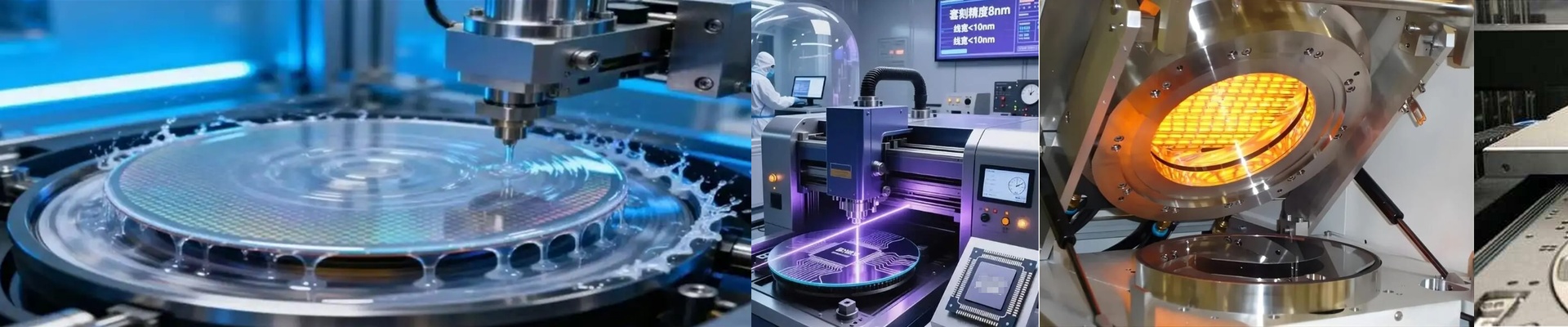
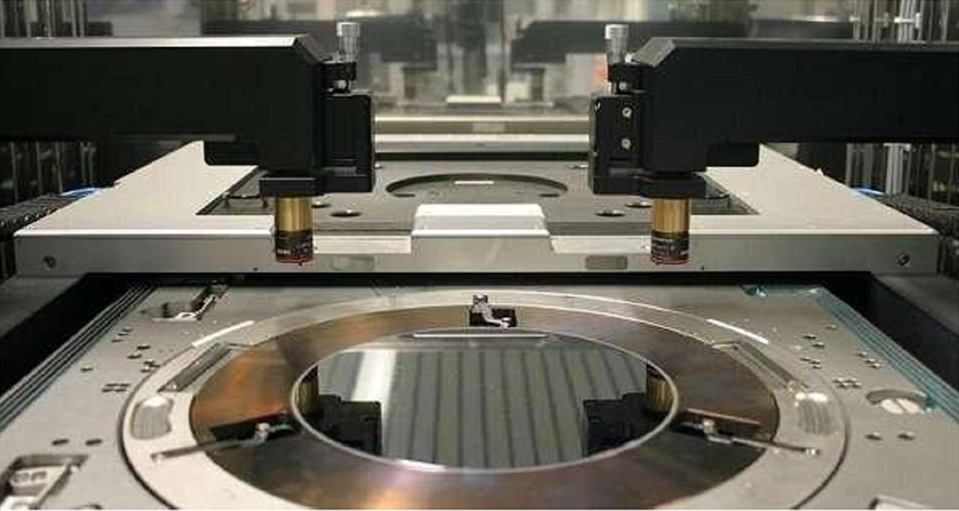
On the lithography floor, you crack open a FOUP and the risk hits you before you can see it. Residual moisture. Photoresist that isn’t at the same temperature across the lot. A soft bake that drifts just 2°C and suddenly you’re chasing a linewidth excursion for hours. In high-volume fabs, that kind of thermal variability doesn’t just show up on the line—it turns into scrap and unplanned downtime. What matters under the hood We built the FOUP dryer around short-wave infrared emitters tuned to how silicon and photoresist absorb heat. That gives you direct-transfer heating with wafer-level uniformity of ±0.1°C. The thermal profile stays repeatable lot-to-lot because we control emitter output in a closed loop—no guessing off chamber air. The system routes exhaust cleanroom-style and uses Class 1–100 compliant materials so particle generation stays at zero. And it runs 24/7 with scheduled predictive maintenance, not surprise failures. Why it fits the process This is the dryer you bring in when temperature is the boss—soft bake, hard bake, and post-clean drying. Tight thermal control cuts Critical Dimension (CD) dispersion across the lot and across the wafer, which helps yield on tight nodes. Faster temperature recovery shortens FOUP cycle time without sacrificing uniformity, and the lower thermal mass design keeps energy draw down during idle and ramp. The payoff is fewer reworks, fewer excursions, and throughput you can plan around. The practical details Installation comes down to matching the FOUP dock interface and confirming your exhaust capacity can handle the solvent vapor load. Keep the infrared emitter window clean—on high-solvent recipes, set up a preventive wipe schedule so output stays stable. And bake calibration traceability into your SPC routine. Repeatability only matters if your measurement system can keep up.
Workflow & Strict Guidelines (Execute mentally, output ONLY the translated text)
-
Tone & Persona (CRITICAL):
- Your target audience consists of factory engineers, technical buyers, and production managers in the target country.
- The tone must remain strictly objective, rigorous, factual, and direct.
- ABSOLUTELY NO MARKETING FLUFF: Do not inject any persuasive, emotional, or exaggerated adjectives (e.g., perfect, ultimate, revolutionary, best) into the translation. Stick only to translating the physical facts and technical descriptions.
-
Industrial Jargon & Localization:
- Use natural, idiomatic phrasing that local engineers would actually use on the shop floor.
- Ensure a fluid translation that conveys the exact meaning. Do NOT use rigid, word-for-word machine translation.
-
Data & Entity Preservation (Do NOT Translate):
-
Formatting Integrity:
- Strictly mirror the original Markdown structure (including
#headers,-bullet points, bold text, etc.). - Ensure you apply the correct punctuation and spacing rules specific to Hebrew (e.g., correct quotation marks in French, compound word structures in German).
- Strictly mirror the original Markdown structure (including
Output format
Output the final translated text in Hebrew directly. Do NOT include any introductory, explanatory, or conversational text. Do NOT wrap the output in Markdown code blocks (like ```).