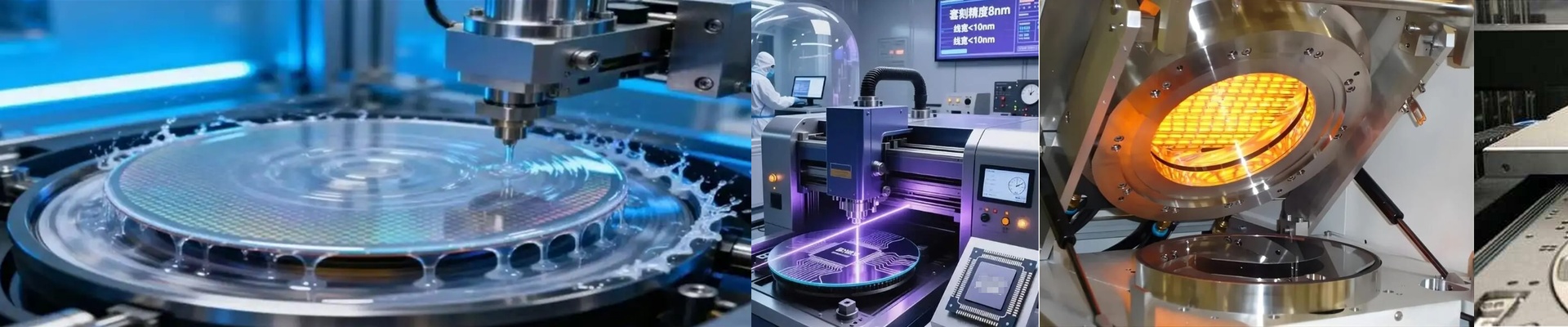

On the line, thermal drift doesn’t show up with a warning light. It shows up as a 0.3 μm linewidth error, a photoresist edge that dewets, or a package warp that takes down an entire carrier. In wafer drying, photoresist soft bake and hard bake, and packaging cure, that heater lamp isn’t just “a heat source.” It’s a process instrument. When the lamp slips, yield and uptime take the hit.
What matters under the hood
We built the TEL heater lamp as a short-wave infrared (SWIR) halogen system—quartz envelope, reflector geometry that keeps the thermal profile under control. The payoff is wafer-level uniformity within ±0.1°C across the bake zone, and settling fast enough to keep cycle time honest. Output repeatability is tight, so critical photoresist bakes stay inside their thermal budget. Cleanroom-compatible materials and seals keep particle generation at zero—measured at the process chamber, not at the lamp housing. In practice, that means fewer rework lots, less scrap, and CD control you can count on.
Where it earns its keep
This lamp shines where the process is unforgiving: lithography photoresist bake, wafer drying after cleaning, and packaging curing. On photoresist, the same unit handles both soft bake and hard bake with repeatable temperature control, so the bake step doesn’t become a sneaky source of line-width drift. For drying, the heat is rapid and uniform, so you don’t get slow cool-down inviting re-contamination, and you stop chasing watermarks that trigger recleans. In packaging, the controlled cure profile cuts voiding and warpage—throughput improves without leaning on reliability. It runs 24/7 with maintenance you can plan, not emergencies you can’t.
The details that bite back
The lamp is engineered for Class 1–100 cleanroom integration, but it needs disciplined install. Match voltage, connector, and cooling path exactly. If the mount or airflow is off, you’ll see hot spots and the lamp life will shorten fast. **Expect the trade-off:**max power density gives you the quickest ramp, but it demands tighter chamber thermal management to keep uniformity in spec. Treat lamp replacement as a scheduled event, not a fire drill.