

Stop Fighting Your Ceiling: A Better Way to Heat Big Shops
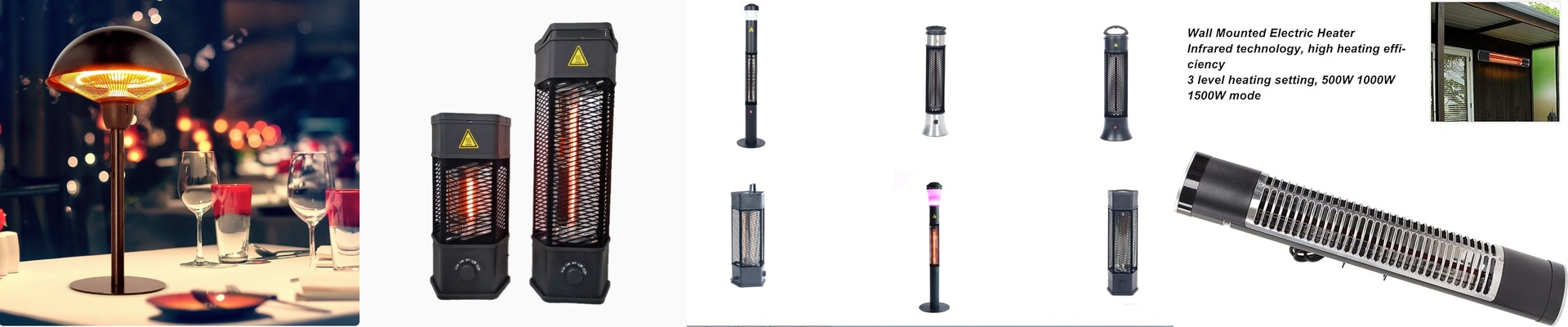
If you’ve ever tried to heat a warehouse or a factory with a high ceiling, you know the struggle. You crank up the heat, the air warms up, and then—like clockwork—it all floats straight to the ceiling. Your workers are still shivering on the floor while the rafters are roasting. It’s a waste of money and a headache for everyone. That’s why we use shortwave infrared. Instead of trying to warm up the air, these units beam heat directly onto the people and the equipment. It feels like stepping into a patch of sunlight on a cold day. Making it “Smart” (Without the Fluff) Now, hooking these heaters up to a smart building system or a BMS isn’t about showing off fancy tech. It’s about not wasting power. We usually wire everything through Modbus or Zigbee so you can handle it all from a tablet or phone. Imagine hitting a “pre-heat” button from your house before you even head into the shop. By the time you walk through the door, the filaments are already glowing and the floor is warm. No more waiting around for the building to “catch up.” The Speed Factor The best part? It’s instant. Traditional boiler systems are slow. You have to wait for water to heat up and travel through pipes, which can take hours. Infrared doesn’t do that. It turns electricity into heat the second you flip the switch. We pair these with smart relays to handle the initial power surge, and if you add occupancy sensors, it gets even better. If a bay is empty, the heat shuts off. Simple. You aren’t paying to heat an empty concrete slab. The Reality Check Look, it’s not all magic. There are a few things you need to watch out for. Adding a network to your heating system makes your electrical panel a bit more crowded. You’re essentially building a computer network that happens to make things hot. Because of that,**don’t trust the app 100%.**If your Wi-Fi crashes or the mesh network glitches, you don’t want to be freezing. Always put a manual override switch right there on the shop floor. One last tip: high-wattage arrays can be “noisy” electrically. That noise can mess with your sensors. To keep things running smoothly, use shielded cabling. It’s a small detail, but it saves you from a lot of troubleshooting later.