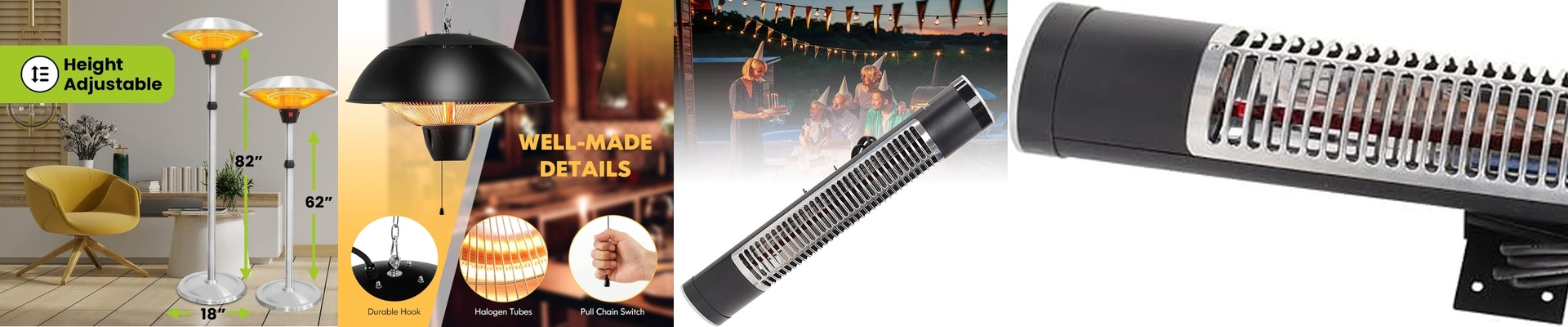

Technical Deep-Dive: Power, Voltage, and Dimensions
When we design these heaters, we’re thinking about one thing: cranking out serious heat, wherever you need it. The standard setup uses a 300mm tube. It’s short, but it’s packed with power. That means you can line them up, tight and close, without needing a huge amount of space. We go with a 400V electrical rating because it works right off commercial power. And here’s the nice part: it pulls less current than a 230V unit of the same wattage. So the wiring stays simpler, and you save on copper costs across a big installation.
Material & Design: Halogen, Coating, and Connectors
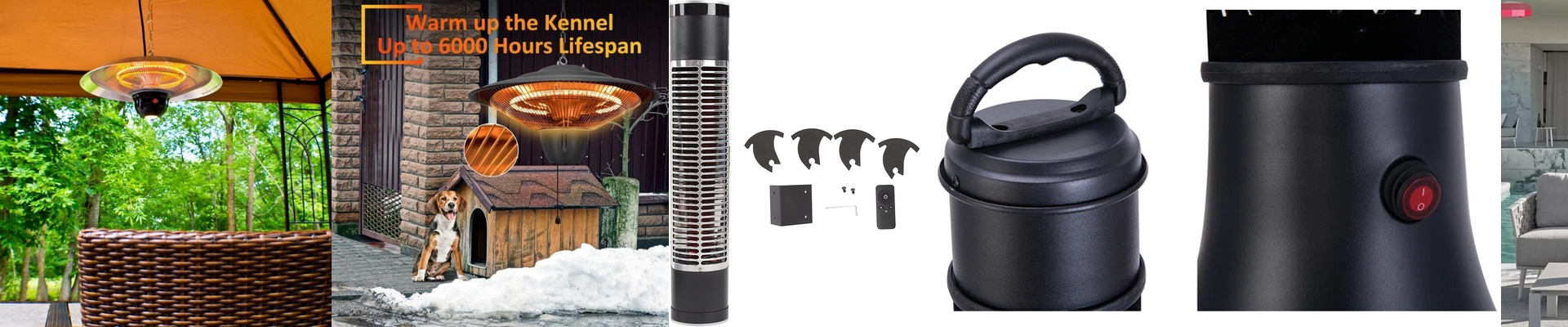
Inside, you’ve got a high-output halogen element, tucked inside a quartz tube. This is all about delivering that shortwave infrared heat—instant and direct. No waiting around. The tube has a special coating that keeps UV output in check and protects the element so it doesn’t burn out fast. We use R7s or Sk15 connectors. They’re industrial-grade, solid as hell. They hold up to the constant heating and cooling of outdoor use, and when a lamp finally gives out, swapping it in is a no-brainer.
Application & Benefits: Commercial Outdoor Heating
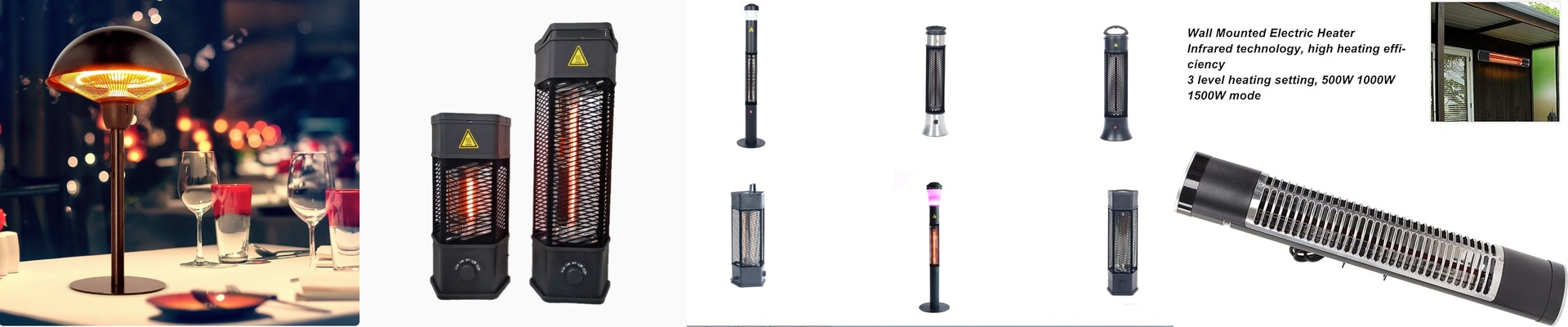
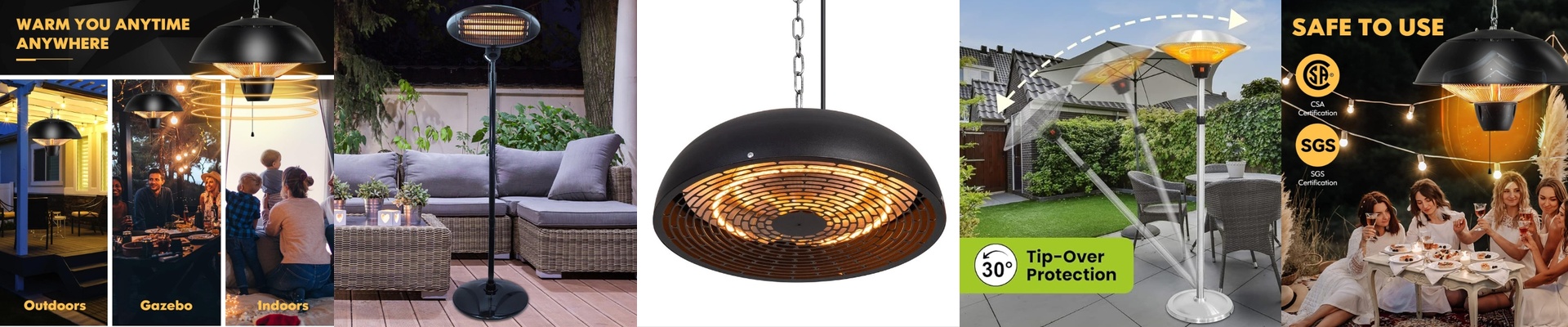
These heaters were born for busy patios and outdoor commercial spots. The shortwave infrared heat doesn’t waste time warming the air. It goes straight to warming people and surfaces. That’s why it works so well in open, windy areas where convection heaters just fall flat. Just keep in mind, you’re dealing with serious radiant heat. Make sure you plan for proper clearances and that your mounting hardware can handle the heat load. For engineers, it’s a dependable, low-maintenance way to give an outdoor venue more usable hours.